
Social
How Early Experiences Shape the Developing Brain
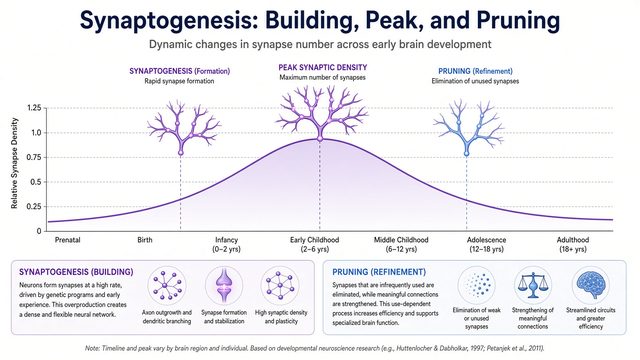
The first years of life are a period of rapid brain growth in which experiences help wire circuits for language, emotion and learning. Learn how relationships and environments matter.
Brains develop and function in a social and physical world. These articles explore childhood, adolescence, relationships, culture, poverty, pollution, work and neighborhoods, and what research says about how our surroundings shape brain health.
The first years of life are a period of rapid brain growth in which experiences help wire circuits for language, emotion and learning. Learn how relationships and environments matter.

Attachment styles shape how people bond and handle stress. Learn the research on secure, anxious and avoidant attachment, the brain systems involved and how patterns can change.

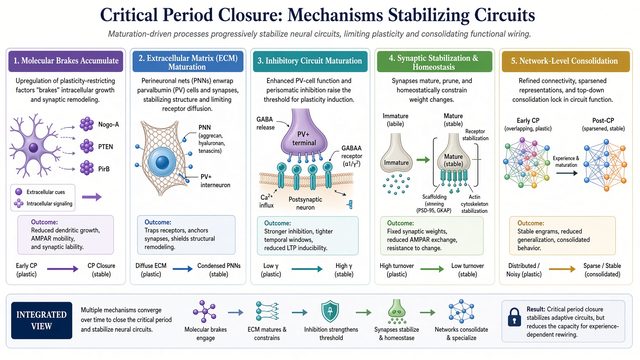
Critical periods are windows when experience shapes the brain especially strongly. Learn about vision, language and attachment, what closes these windows and whether adults can still change.
Warm, responsive parenting supports children's stress systems, language and emotional regulation. Learn what research shows about parenting, brain development and how to help.
Play is how children learn, regulate emotion and build brain connections. Learn what research shows about types of play, its benefits and how adults can support it.
The teenage brain is remodeling, with reward systems maturing earlier than self-control networks. Learn what science says about risk-taking, sleep, mood and how to support teens.
Teenagers take more risks partly because reward systems mature before self-control networks. Learn what research shows about adolescent brain development and how to support teens.
Teenagers are more sensitive to peers than children or adults. Learn how reward circuits, social cognition and self-control development explain risk taking, and how peers can also protect.
Why does being left out hurt so much? Learn how the brain processes exclusion, overlap with physical pain, the limits of that idea, and how to cope with and recover from rejection.
Strong relationships are linked to better cognition, lower stress and reduced dementia risk. Learn what research shows about social connection and the brain, and how to nurture it.
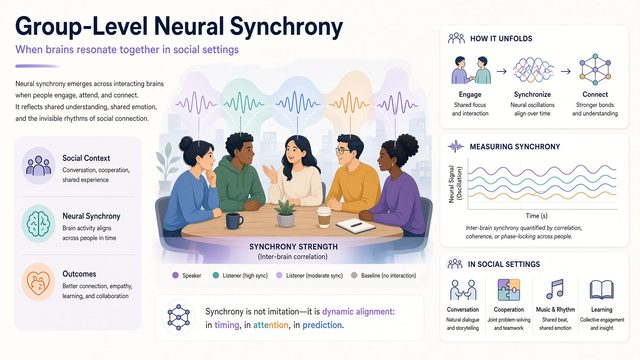
How does friendship shape the brain? Learn what neuroscience shows about social reward, brain synchrony between friends, health benefits and how adult friendships can be maintained.
Do committed relationships protect the brain? Learn what studies show about marriage, partnership quality, stress and dementia risk, and how couples can support each other's brain health.
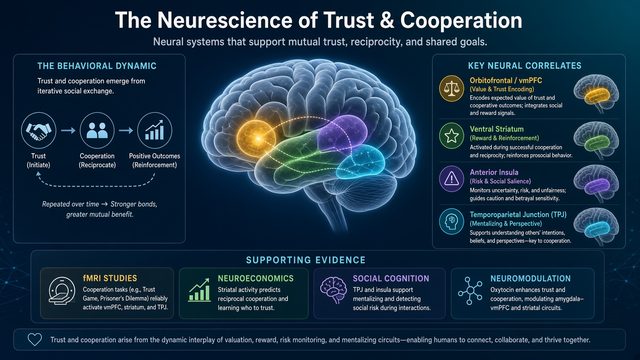
How does the brain decide whom to trust? Learn about oxytocin, the amygdala, prefrontal cortex, learning from experience, and why trust can break or be rebuilt.
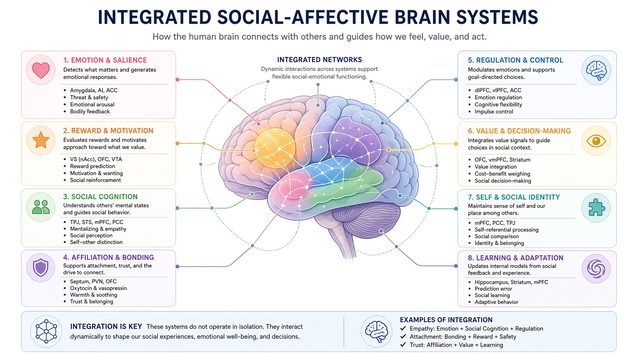
Loneliness and isolation raise risks for depression, poor sleep and dementia. Learn how the brain responds to isolation, what research shows and practical ways to reconnect.
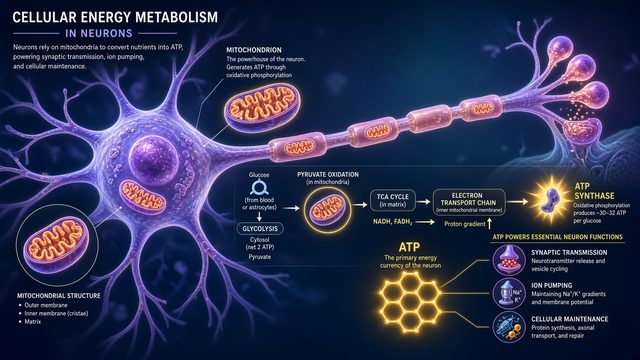
Community participation supports mental health and brain function. Learn how belonging, shared rituals and collective activity affect the brain, and how to build community.
Culture influences perception, attention, memory and emotion, and brain activity. Learn what cultural neuroscience shows, with examples of language, self-concept and expertise, and its cautions.
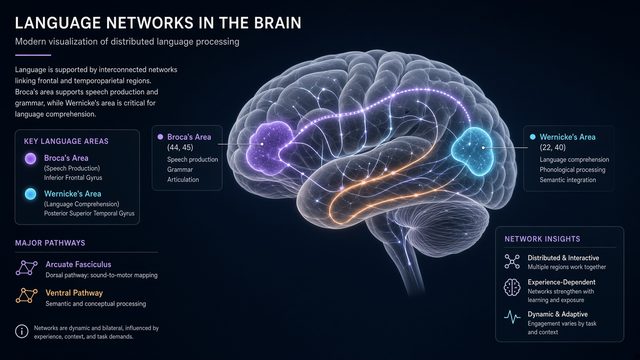
Speaking two languages changes how the brain manages attention and language control. Learn what research supports, what remains debated, and why it is never too late to learn.
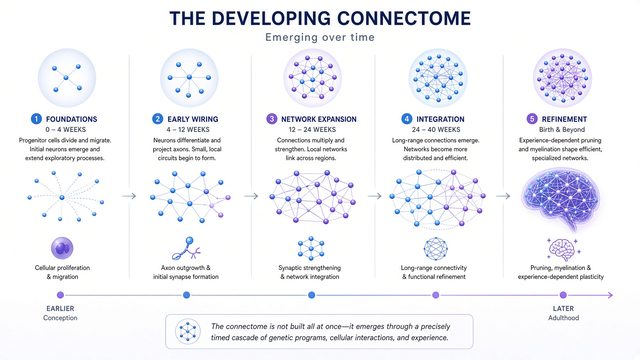
Education shapes the brain across life. Learn how schooling, reading and learning new skills affect brain structure, cognitive reserve, dementia risk and how to keep learning at any age.
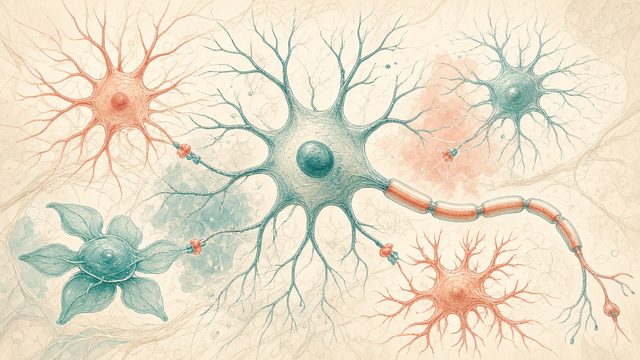
Income, education and neighborhood resources are linked to brain structure and cognitive development. Learn what research shows, the mechanisms involved and why the findings are not destiny.
How does growing up in poverty affect the brain? Review research on stress, cognition, language, nutrition and interventions, and learn why early support and policy matter.
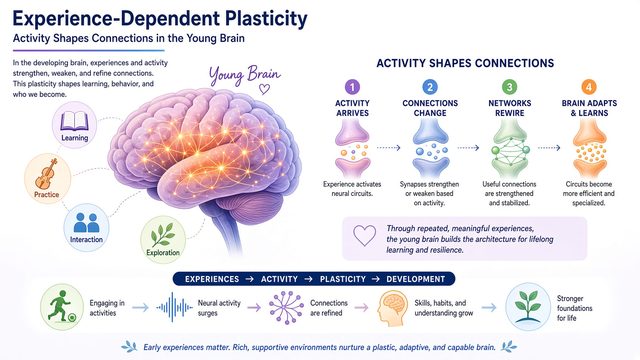
Adverse childhood experiences are linked to lifelong health risks through stress biology. Learn what ACEs are, what research shows, and how protective relationships reduce harm.
Childhood trauma and adversity can affect stress systems, emotion and learning. Learn what research shows, how the brain adapts, signs to watch for and how healing, therapy and safe relationships help.
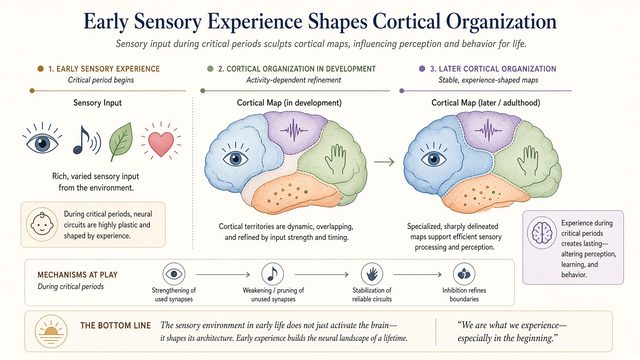
What helps children bounce back from stress? Learn how caring relationships, executive function skills, routines and community build resilience, and how parents and schools can support it.
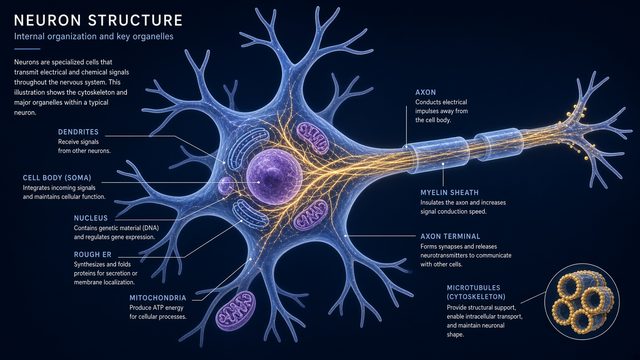
Bullying affects the brains and mental health of victims, bullies and bystanders. Learn what research shows about brain responses, long-term effects, cyberbullying and what works to prevent it.
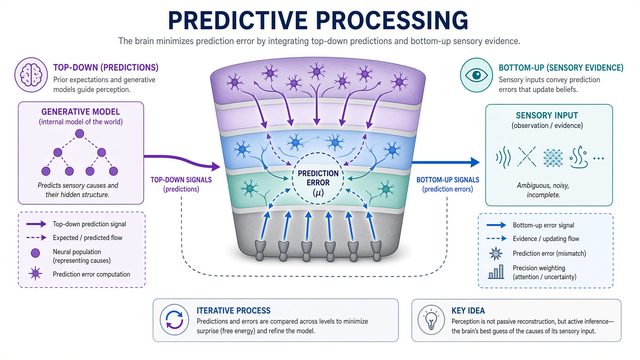
Social rank shapes brain activity, stress and health. Learn what neuroscience reveals about hierarchy, status signals, the stress of low status, and how to manage status anxiety.

How does the brain create bias? Learn what neuroscience says about categorization, implicit bias, the amygdala, empathy gaps, and what reduces prejudice in practice.
Belonging to groups shapes identity, emotion and decision-making. Learn how the brain processes in-groups and out-groups, oxytocin and rituals, benefits and risks of group identity.
Why do humans cooperate? Learn how reward, empathy, trust and norms enforcement circuits support working together, what experiments show, and how to foster cooperation in teams and communities.
Air, noise, green space, housing and neighborhoods all affect the brain. Learn how environmental factors influence cognition, mental health and dementia risk, and what can be done.
Fine particles in polluted air are linked to higher risks of dementia, stroke and developmental problems. Learn what the research shows and practical ways to reduce exposure.
Noise affects sleep, stress, learning and heart health. Learn how the brain responds to loud and unwanted sound, the effects on children and adults, hearing protection and ways to quiet your world.
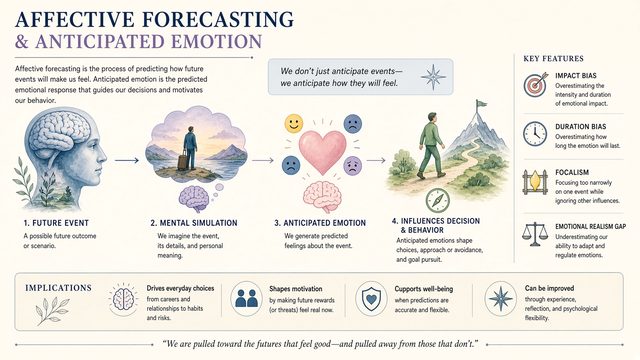
City life brings stimulation and stress. Learn what research shows about urbanicity, mental health, social stress, green space and design, and how to make cities better for brain health.
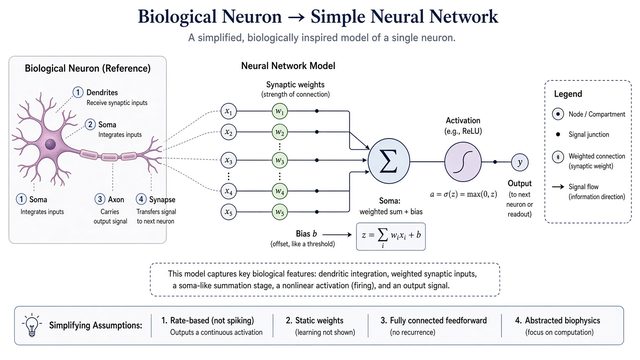
Time in nature reduces stress and improves mood and attention. Learn what research shows about forests, parks, blue space, attention restoration, how much time helps and ways to get more.
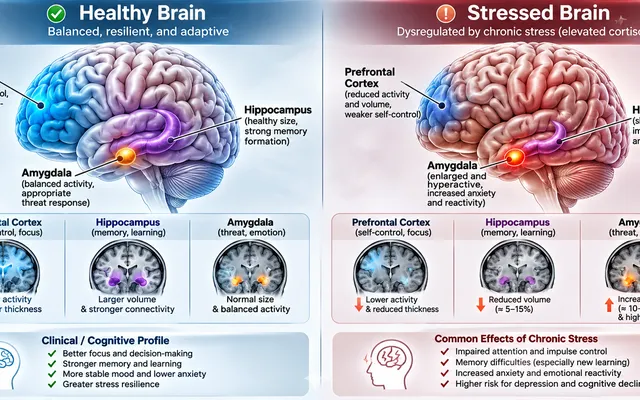
Heat, disasters, displacement and eco-anxiety affect the brain and mental health. Learn what research shows about climate change, vulnerable groups, coping and community resilience.

Artificial light at night disrupts circadian rhythms, sleep and mood. Learn how light pollution affects the brain, what studies show, and practical steps to protect your sleep and the night sky.
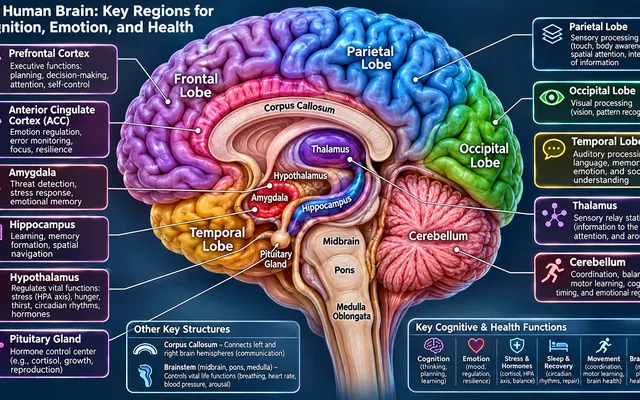
Housing quality, stability and neighborhoods influence stress, sleep and cognition. Learn what research shows about crowding, mold, noise, homelessness and design for brain-healthy homes.
How do office design, light, noise, autonomy and culture affect the working brain? Learn what research shows about attention, stress and creativity at work, and how to improve your workplace.
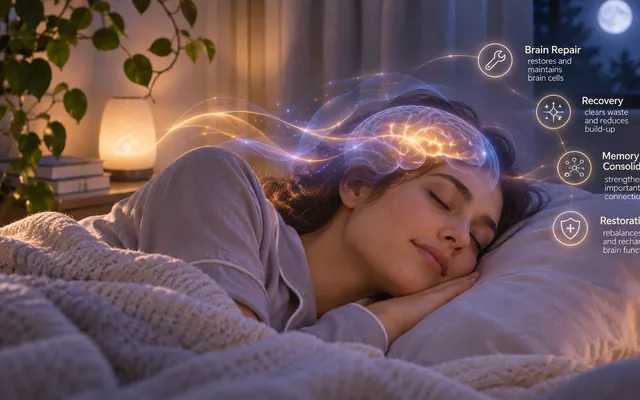
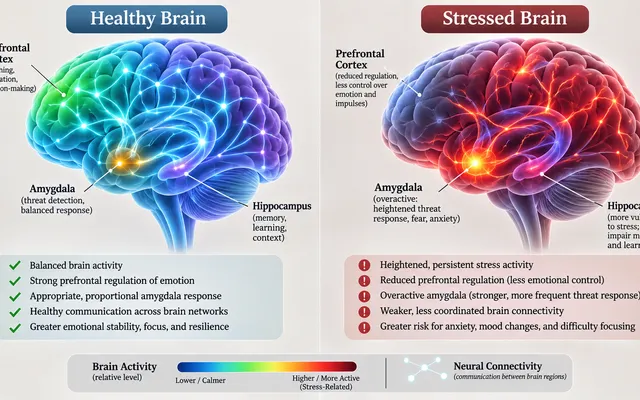
Chronic job stress can affect memory, mood, sleep and heart health. Learn how stress hormones impact the brain, burnout, warning signs and evidence-based ways to manage work stress.

Working from home changes focus, social contact, sleep and activity. Learn what research shows about remote work, productivity, wellbeing, collaboration and how to protect your brain.
Architecture, lighting, ventilation, acoustics and design shape attention, mood and memory. Learn what evidence shows about buildings and the brain, from classrooms to hospitals and homes.

Classroom design, noise, light, schedules, relationships and school climate affect student attention and learning. Learn what research suggests and how to build brain-friendly schools.
Practical design tips for homes, offices and classrooms that support focus, calm and sleep. Learn how light, sound, color, clutter, nature and layout influence the brain, with simple changes to try.
How does screen time affect children's brains? Learn what research says about attention, language, sleep, mood and learning, recommended limits and tips for healthy media habits.
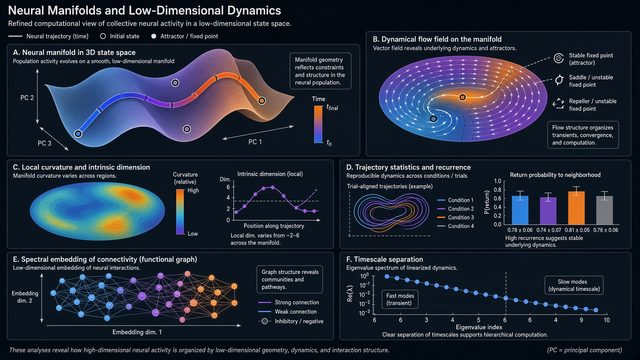
Family relationships shape children's brain development and adult wellbeing. Learn how attachment, parenting styles, conflict and routines affect the brain and how families can strengthen their bonds.
Siblings influence each other's social skills, language, emotions and even mental health. Learn what research shows about sibling relationships, birth order myths, conflict, support and brain development.

Does grandparenting help the brain? Learn what studies show about caring for grandchildren, cognition, mood and health in older adults, benefits to children and how to find balance.
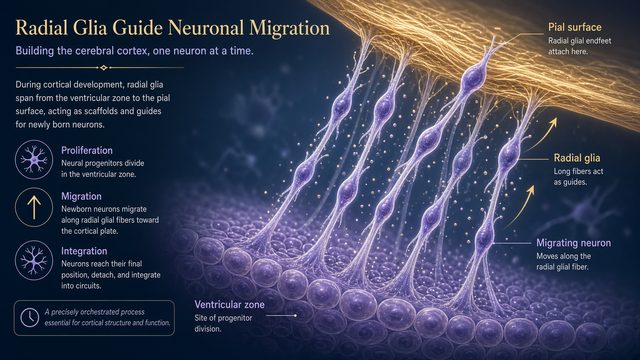
How does adoption affect the developing brain? Learn what research shows about early adversity, recovery after adoption, attachment, resilience and ways to support adopted children and families.
Children in foster care often face earlier adversity and unstable placements. Learn what research shows about stress, placement stability, cognitive and emotional outcomes, and ways to support brain development.
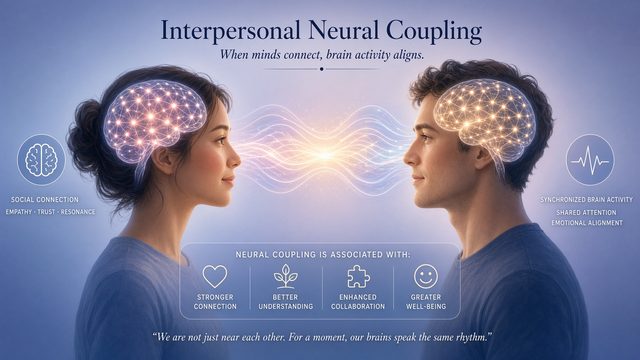
Early intervention services support infants and toddlers with delays or risks. Learn how the brain's early plasticity makes timing important, what programs offer, evidence of benefit and how to get help.
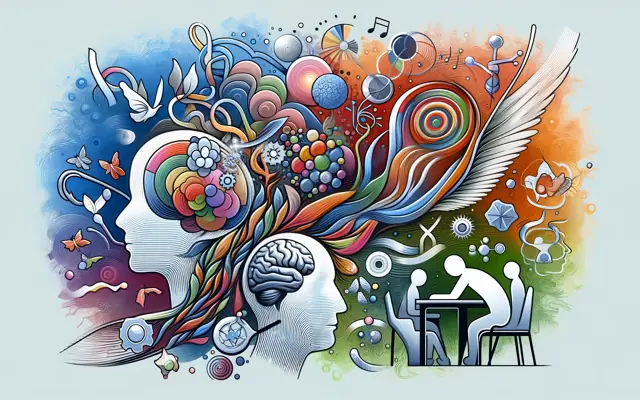
Change is hard, and the brain is built to adjust. Learn how neuroplasticity, stress responses and habits shape adaptation to life changes, and how to build flexibility and resilience.
Moving to a new country affects the brain and mental health through stress, language learning and cultural adjustment. Learn what research shows about migration, resilience and supporting migrants.
Prayer, meditation and religious practice are linked to wellbeing and brain activity. Learn what neuroscience shows about spirituality, health benefits, community, and what science can and cannot say.
Why do rituals calm us and bring people together? Learn what research shows about rituals, anxiety, performance, grief, synchrony and how to build meaningful routines.
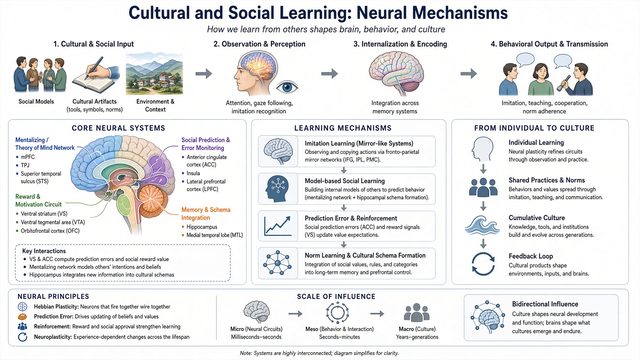
Humans learn by watching, imitating and listening to others. Learn how mirror systems, reward learning and social cognition support social learning, teaching, and how to learn better with others.
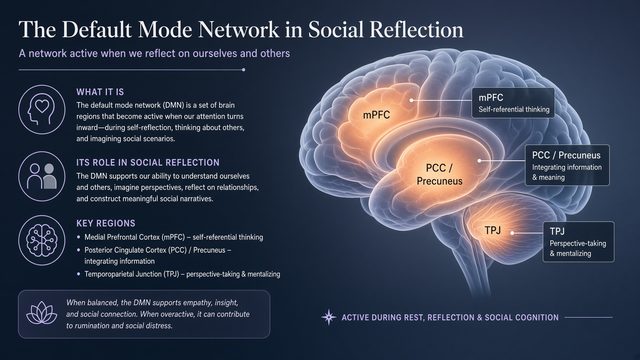
Social anxiety often shows up as blushing, trembling and a racing heart. Learn how biofeedback can help people notice and calm these signals alongside CBT and exposure.
Group biofeedback combines training in physiological self-regulation with peer support. Learn how it works, where it has been used and what evidence suggests.

Schools are using biofeedback for stress, attention and test anxiety. Learn how heart rate variability training and games work for students, what evidence exists and how to set up programs safely.
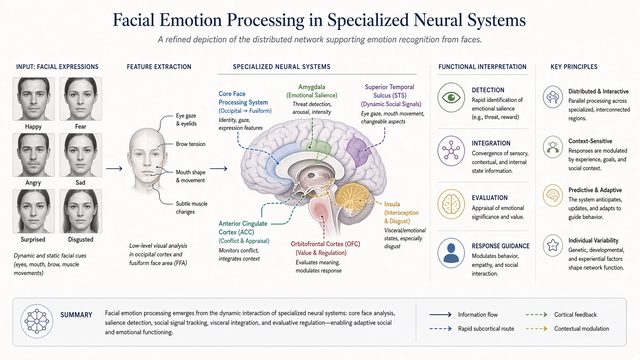
Families can use simple biofeedback to learn calming skills together. Learn how parents and children can use breathing, heart rate and temperature feedback, with tips, cautions and when to seek help.
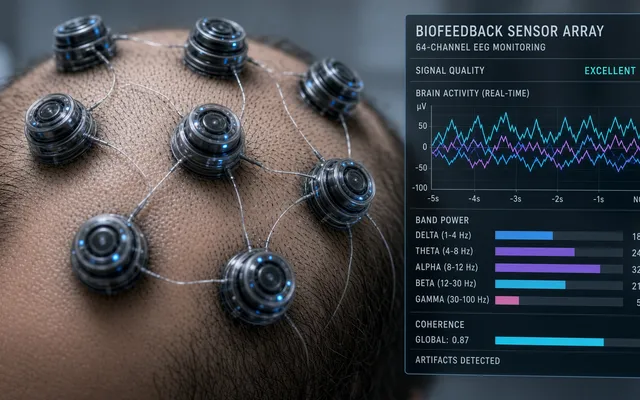
Employers use biofeedback and wearables for stress management. Learn what evidence shows for workplace programs, benefits, privacy risks, and how to build healthy, voluntary and effective programs.

Community clinics, libraries and public health programs are using biofeedback to expand access to stress and pain care. Learn about models, evidence, equity considerations and how to start or find programs.
More articles in this topic are being added. Meanwhile, see the neurology clinic directory.