
Brain Health Conditions
Understanding Traumatic Brain Injury: A Comprehensive Guide
Traumatic brain injury ranges from mild concussion to severe, life-changing damage. Learn causes, symptoms, emergency warning signs, treatment and long-term outlook.
When the brain or nervous system is affected by injury or disease, understanding the condition and the options makes a real difference. These guides cover stroke, concussion, epilepsy, migraine, neurodevelopmental conditions, addiction and the rehabilitation therapies that support recovery.
Traumatic brain injury ranges from mild concussion to severe, life-changing damage. Learn causes, symptoms, emergency warning signs, treatment and long-term outlook.

Most concussions heal within weeks with a gradual return to activity. Learn warning signs, how much rest is right, and when symptoms need a specialist.

A stroke is a medical emergency where every minute matters. Learn the BE-FAST warning signs, how treatment works, and what helps recovery afterward.
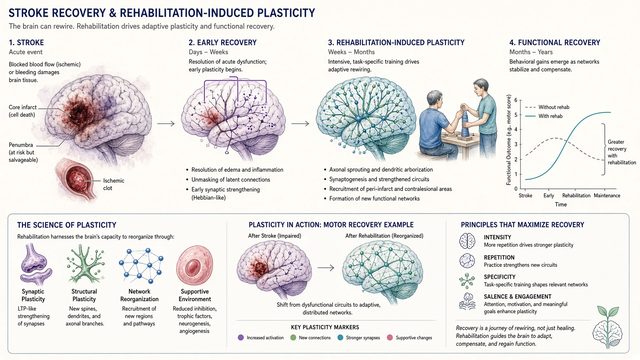
Aphasia is a language disorder, most often caused by stroke. Learn the types, how recovery works, therapy options and how to communicate with someone who has aphasia.
Epilepsy is a condition of recurring seizures caused by abnormal brain electrical activity. Learn seizure types, causes, treatments, and how to help someone having a seizure.
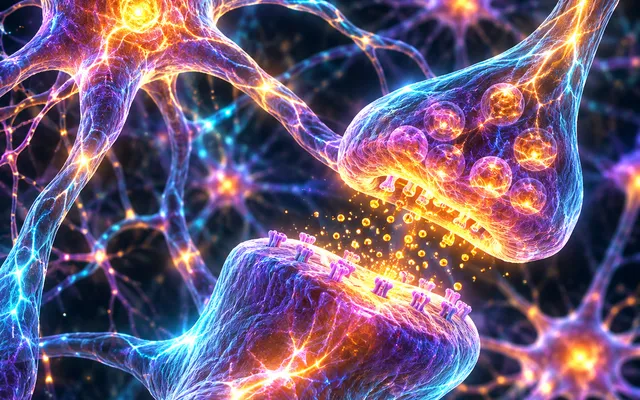
Migraine is a complex neurological condition, not just a bad headache. Learn about its phases, brain mechanisms, modern treatments and warning signs that need urgent care.
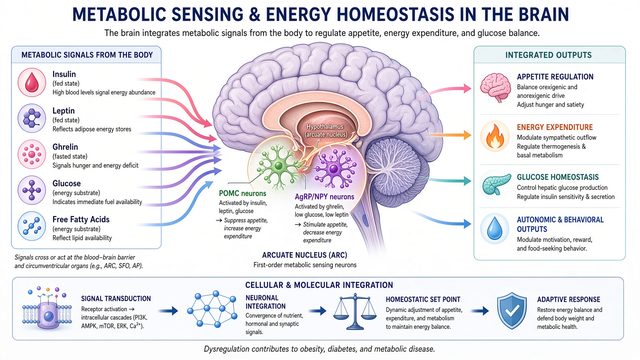
Chronic pain involves changes in the brain and spinal cord that amplify pain signals. Learn about central sensitization, the brain's pain network and evidence-based treatments.
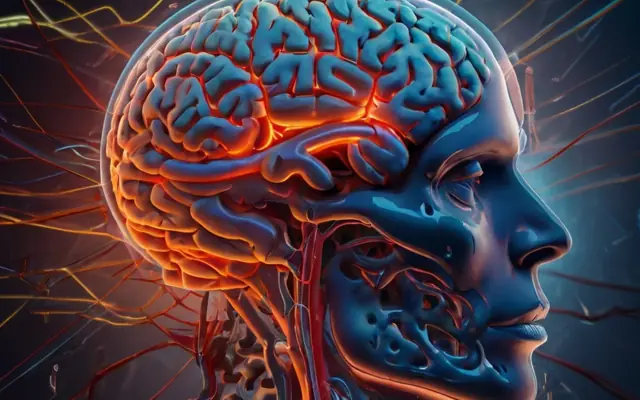
Fibromyalgia causes widespread pain, fatigue and brain fog, linked to a sensitized nervous system. Learn the symptoms, diagnosis, treatments that work and self-care strategies.
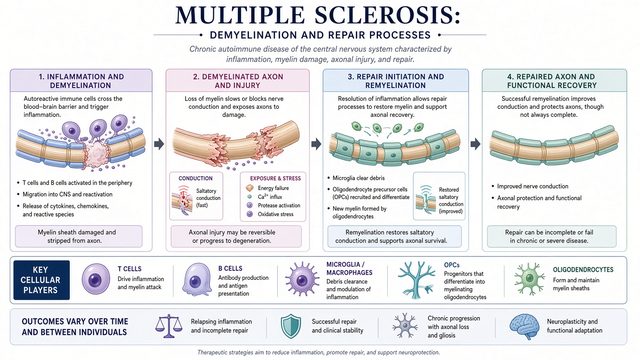
Multiple sclerosis occurs when the immune system attacks the myelin of the brain and spinal cord. Learn symptoms, diagnosis, disease-modifying therapies and how to live well.
Brain tumors can be benign or malignant, primary or metastatic. Learn the types, symptoms, diagnosis, treatment options and what supports quality of life.
Meningitis and encephalitis are serious infections or inflammations of the brain and its coverings. Learn the causes, warning signs, diagnosis, treatment, vaccines and recovery, and when to seek emergency care.
ADHD involves differences in attention, impulse control and brain networks. Learn what research shows about causes, brain circuits, diagnosis in children and adults, treatments, and strengths.
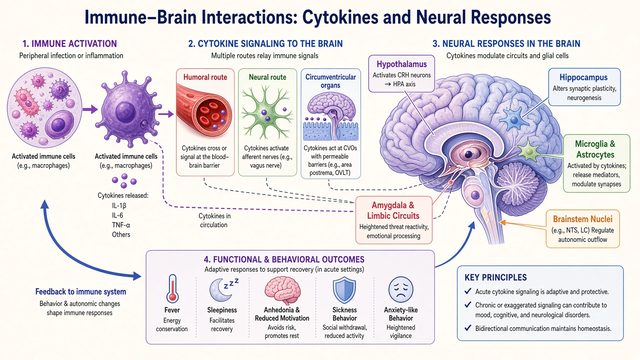
Autism is a neurodevelopmental difference in social communication and sensory processing. Learn what research shows about brain development, genetics, strengths, supports, and the neurodiversity perspective.
Dyslexia is a common learning difference affecting reading and spelling. Learn how the brain reads, what differs in dyslexia, early signs, effective structured literacy instruction and support across life.
Dyscalculia is a math-specific learning difference. Learn what is known about the number sense systems in the brain, signs, assessment, effective teaching, and ways to help children and adults.
Tourette syndrome involves motor and vocal tics linked to brain circuits for movement and habit. Learn about causes, symptoms, co-occurring conditions, treatments and how to support people with tics.
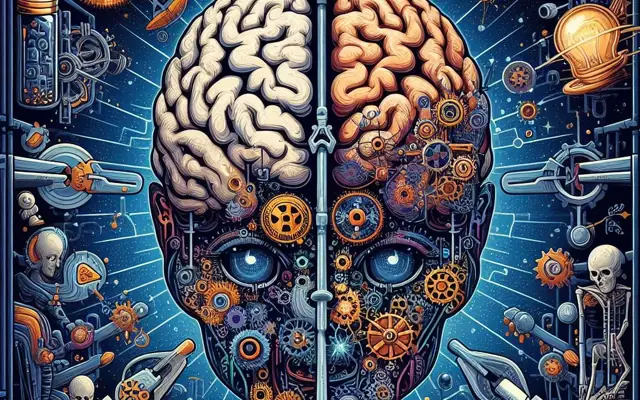
OCD involves intrusive thoughts and repetitive behaviors tied to brain circuits for habit and threat. Learn about symptoms, causes, effective treatments including exposure therapy and medication, and living with OCD.
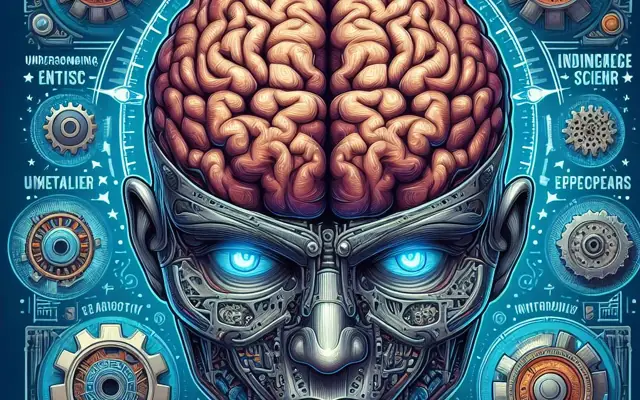
Bipolar disorder involves episodes of mania and depression linked to brain circuits for mood and energy. Learn about causes, symptoms, treatment, long-term brain health and how to stay well.
Schizophrenia affects thinking, perception and motivation. Learn what research shows about genetics, dopamine and glutamate, brain structure, early signs, treatment, recovery and how families can help.
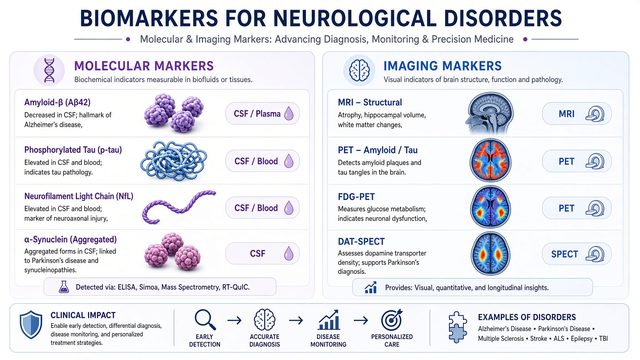
Eating disorders are serious brain-based illnesses involving reward, control and body perception circuits. Learn what research shows about causes, brain findings, treatment and where to find help.
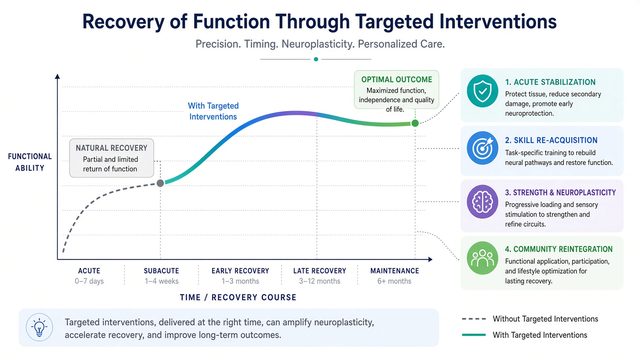
Addiction changes reward, stress and control circuits, and the brain can recover. Learn how substances affect the brain, what treatment works, how recovery unfolds and how to support it.
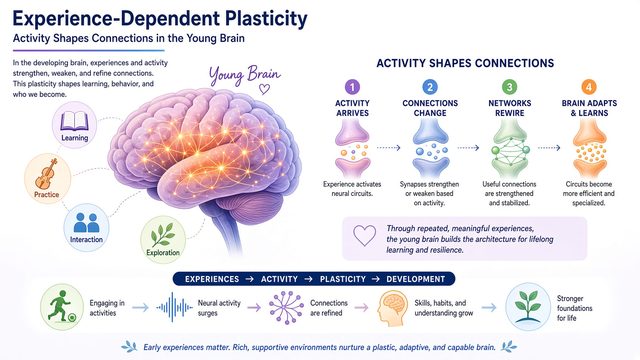
Opioids relieve pain and can cause dependence and overdose. Learn how they act on brain receptors, why tolerance and withdrawal occur, risks, medication treatment and how to reduce harm.

Cannabis acts on the endocannabinoid system and affects memory, attention and the developing brain. Learn what research shows about benefits, risks, cannabis use disorder, adolescent use and medical uses.
Psilocybin, LSD, MDMA and related drugs are being studied for mental health conditions. Learn how they act in the brain, what trials show, risks, legal status and why caution is needed.
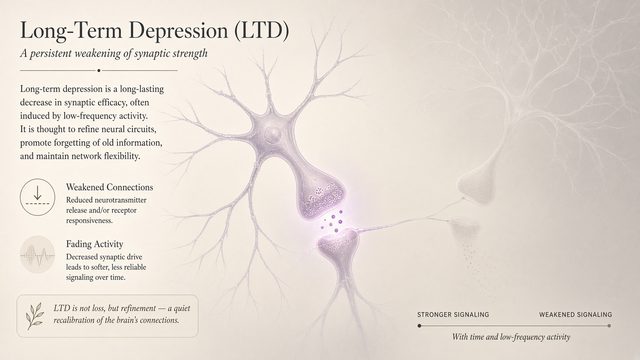
Ketamine can relieve depression within hours in some people. Learn how it works on glutamate and synaptic plasticity, esketamine, evidence, side effects, risks and how treatment is delivered.
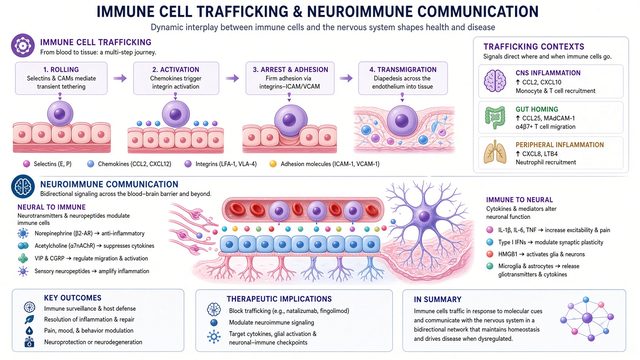
Recovery from addiction involves relearning, healing brain circuits and building a new life. Learn how the brain changes over time, what predicts success, and which strategies support lasting recovery.
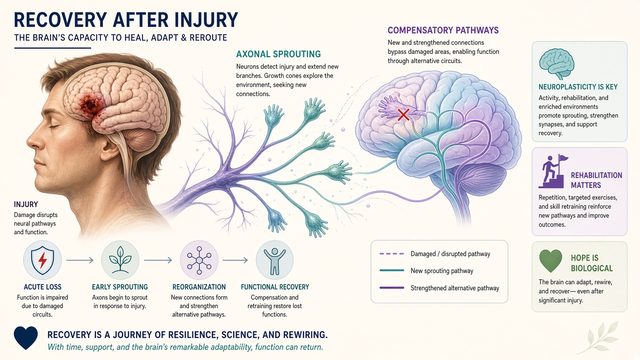
Cognitive rehabilitation helps people rebuild attention, memory and executive skills after stroke or brain injury. Learn how it works, evidence-based strategies, who provides it and how families can help.
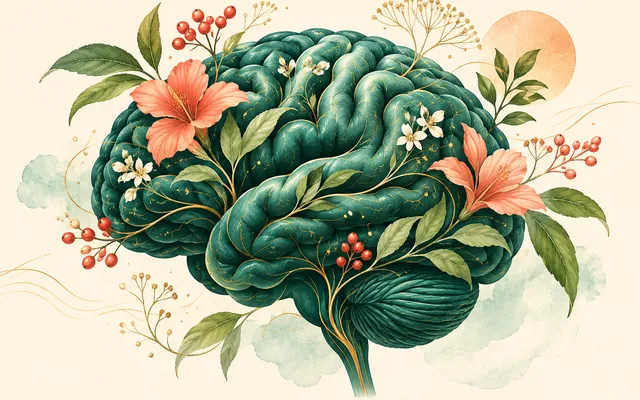
Physical therapy drives brain plasticity, and brain health shapes movement recovery. Learn how task-specific practice, intensity, balance training and technology help people with stroke, Parkinson's and other conditions.
Occupational therapists help people regain daily function after brain injury, stroke or dementia. Learn how OT addresses cognition, routines, home and work, with strategies you can use.
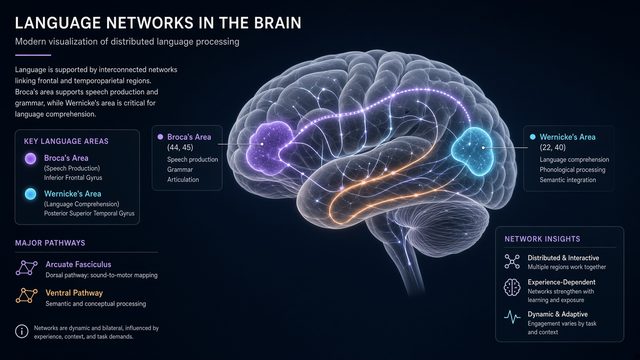
Speech-language therapy helps people recover communication after stroke, brain injury, or with developmental disorders. Learn how language networks work, therapies for aphasia and dysarthria, and technology.
Music engages widespread brain networks and can aid movement, speech and mood after stroke and brain injury. Learn how rhythmic cueing and singing work, what evidence shows and how to access music therapy.

Art therapy uses creative expression to support emotional healing and cognition. Learn what research shows about how art affects the brain, benefits for stroke, dementia, trauma and wellbeing, and how to find a therapist.
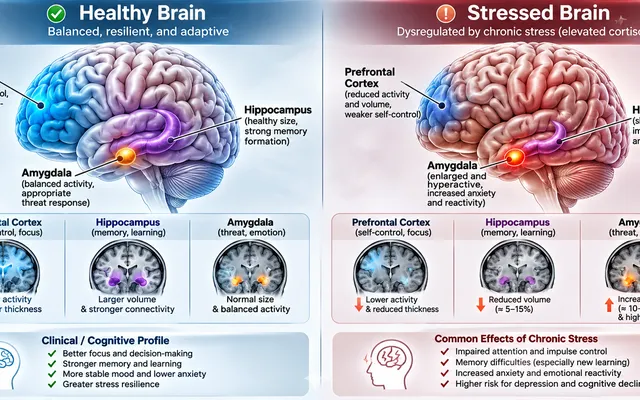
Neurorehabilitation uses neuroplasticity to restore function after stroke, brain and spinal injury. Learn the principles, timing, team approach, technologies and what recovery can look like.
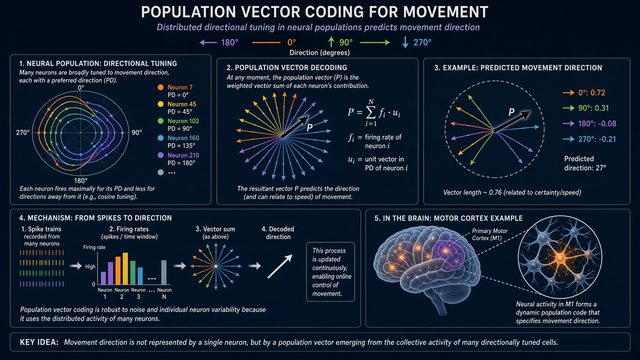
Constraint-induced movement therapy restrains the stronger arm to force use of the affected arm after stroke. Learn how it works, who qualifies, the evidence, what treatment involves and how to find it.
Mirror therapy uses a mirror to create the illusion that a weak limb is moving normally. Learn how it works in the brain, what research shows for stroke and phantom pain, and how to do it safely.
Virtual reality rehabilitation makes therapy engaging and measurable for stroke, brain injury, Parkinson's and more. Learn what research shows, benefits, limits, safety and how to access VR therapy.
Robots and exoskeletons deliver repetitive, precise therapy after stroke and spinal cord injury. Learn how they work, what research shows, benefits, limits and the future of robotic rehabilitation.

Neurosurgery and major surgery can affect thinking, mood and sleep. Learn how the brain heals after brain surgery, what to expect in recovery, postoperative cognitive changes and tips for rehabilitation.
How does anesthesia switch off consciousness, and what are its effects on the brain? Learn the science of general anesthesia, risks in children and older adults, delirium and how to prepare.
Survivors of intensive care often have lasting problems with memory, attention and mood. Learn about post-intensive care syndrome, risk factors, brain effects, recovery and ways to help survivors and families.
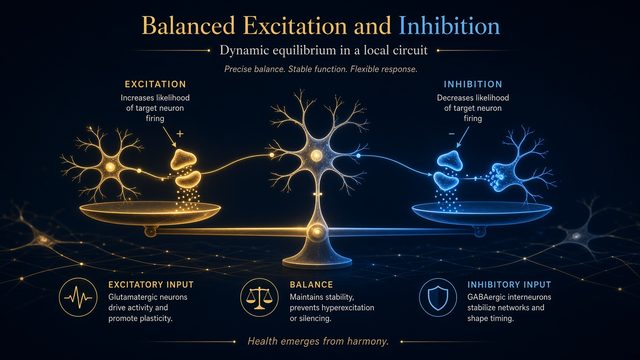
Vertigo and dizziness arise from the inner ear, brain or both. Learn how the balance system works, common causes like BPPV and vestibular migraine, diagnosis, treatment and when to seek urgent help.
Tinnitus is hearing sound with no external source, and the brain plays a key role. Learn about causes, how the auditory system generates tinnitus, evidence for treatments such as sound therapy and CBT, and how to cope.
Myalgic encephalomyelitis and chronic fatigue syndrome involve profound fatigue, brain fog and post-exertional malaise. Learn what research shows about the brain, immune system and energy metabolism, diagnosis, management and support.
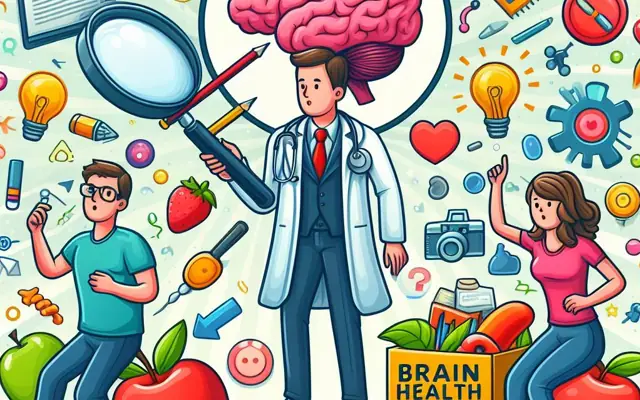
Living with a chronic illness affects mood, thinking, stress systems and identity. Learn how the brain and body interact, why depression and fatigue are common, and strategies for coping and thriving.
Sleep problems are common in Parkinson's, Alzheimer's, stroke, epilepsy and other neurological diseases. Learn why, how poor sleep worsens disease, and what treatments help.
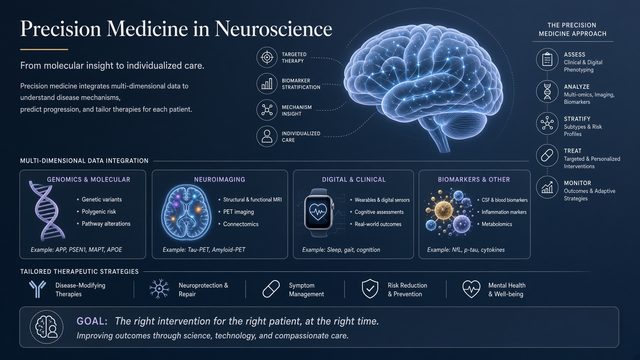
Many common medications can affect memory, mood, attention and balance. Learn which drug classes influence the brain, risks for older adults, warning signs and how to review your medicines with your doctor.
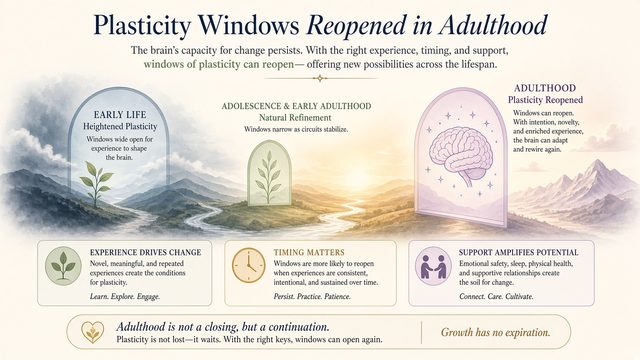
Taking many medications raises risks of confusion, falls and cognitive decline in older adults. Learn about polypharmacy, high-risk drugs, deprescribing and how to safely review and simplify medicines.
Pain is created by the brain, which means treatment can target mind, body and behavior. Learn how pain pathways work, why chronic pain changes the brain, and which evidence-based approaches reduce suffering.
Exercise, sleep, diet, social engagement, learning, stress management and hearing care support the brain without medication. Learn the evidence for lifestyle-based brain protection and how to build a plan.
Neurological and mental health care often involves many clinicians. Learn how care coordination improves outcomes, reduces errors and burden, and how patients and families can navigate the system.
Learn how to speak up for yourself or a loved one in neurological and mental health care. Practical tips for appointments, records, second opinions, insurance appeals and finding support.
Learn how to read and understand brain health research, from study types and sample sizes to correlation versus causation, to participate wisely in studies and spot reliable findings.
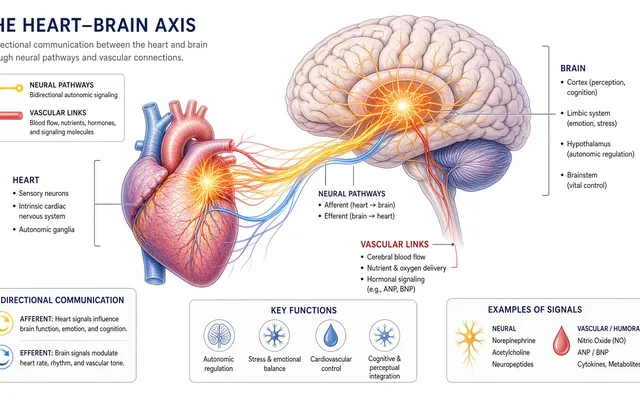
Learn to spot misleading brain health claims about supplements, brain training, miracle cures and scans. Practical checklist for evaluating websites, ads, influencers and studies.
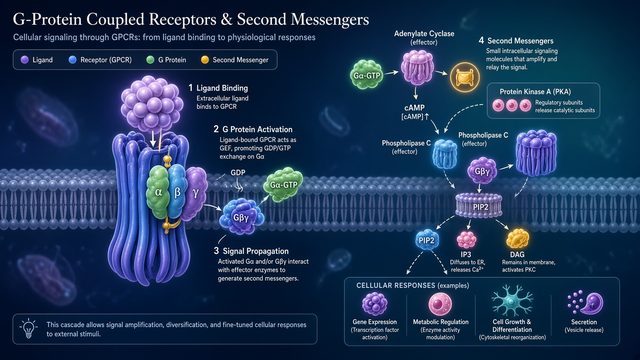
A second opinion can confirm a diagnosis, clarify options and prevent errors in neurology. Learn when to get one, how, what to bring and how to handle disagreement.
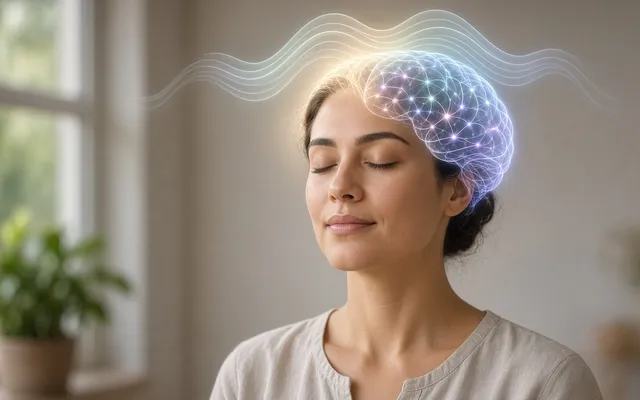
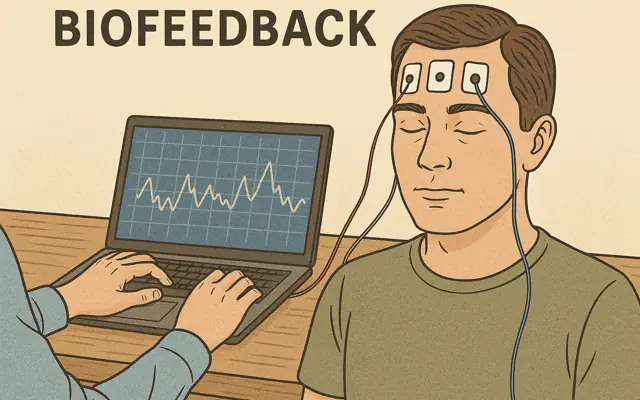
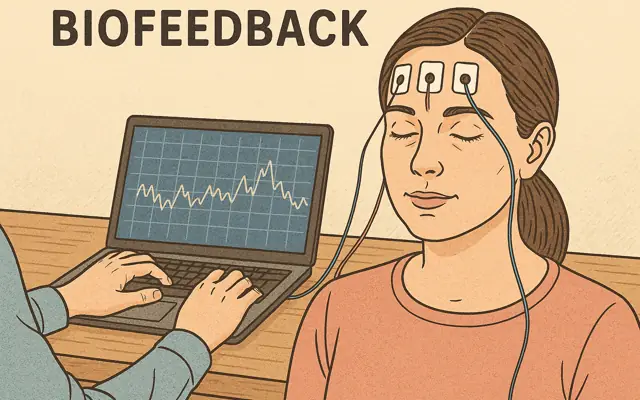
Biofeedback can help people with chronic pain reduce muscle tension and stress reactivity. Learn which techniques are used, what evidence shows and how to find a clinician.
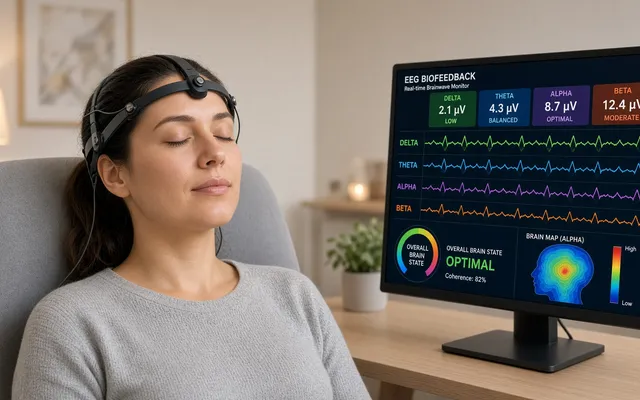
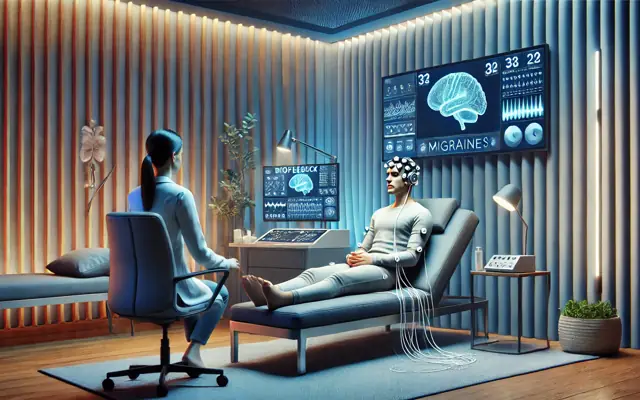
Thermal, muscle and heart-rate biofeedback can reduce migraine and tension headache frequency. Learn how it works, what guidelines say and how to start.
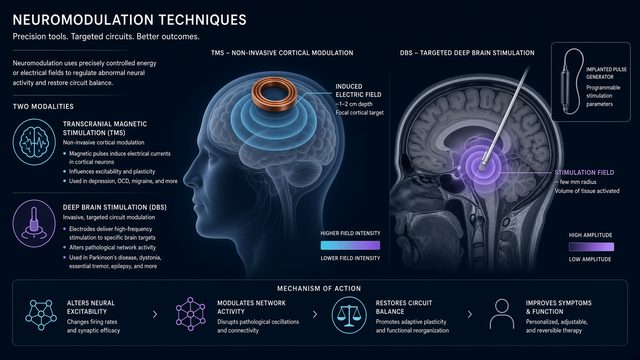
Neurofeedback trains brain activity patterns, and is promoted for ADHD. Learn how it works, what randomized trials and meta-analyses show, the role of placebo, safety, cost and how it compares with other treatments.
Biofeedback and related training may help some people with epilepsy manage stress and seizure triggers. Learn what neurofeedback, skin conductance and heart rate training studies show, limits and safe use alongside medical care.
Biofeedback helps stroke survivors relearn movement, balance and swallowing by providing real-time information. Learn about EMG, force plate, neurofeedback and brain-computer approaches, evidence and how to use them.
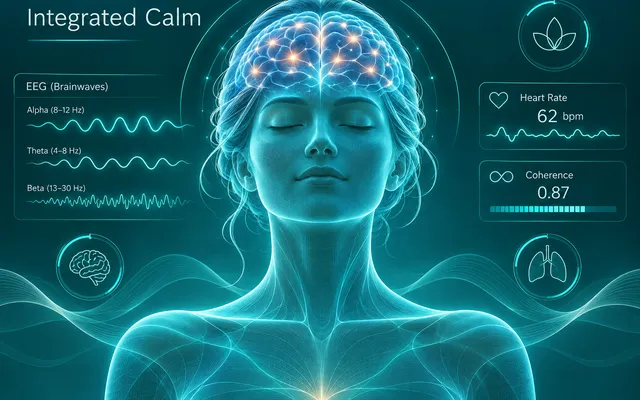
Pelvic floor biofeedback retrains muscles for incontinence, constipation and pelvic pain. Learn how it works, evidence, who benefits, what sessions involve, and its link to brain-muscle control.
More articles in this topic are being added. Meanwhile, see the neurology clinic directory.