
Memory
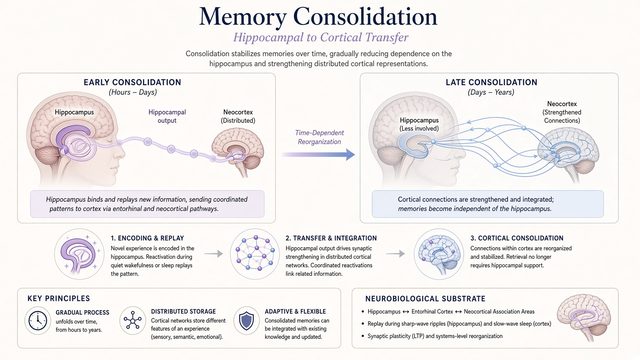
How Memories Are Formed: Encoding, Consolidation, and Retrieval
Memory is a three-step process of encoding, consolidation and retrieval. See how the brain builds memories, why they change, and how to make them stick.
How do we form, keep and lose memories, and what actually helps us learn? This section explains encoding, consolidation, attention, sleep and practice, and separates strategies with solid evidence from popular myths about brain training.
Memory is a three-step process of encoding, consolidation and retrieval. See how the brain builds memories, why they change, and how to make them stick.

Short-term memory holds a little information briefly, while long-term memory stores it for years. Learn how they differ, how information moves between them and how to strengthen both.

Working memory holds and manipulates information for seconds. Learn how it works, why capacity is limited, and which strategies and habits really help.
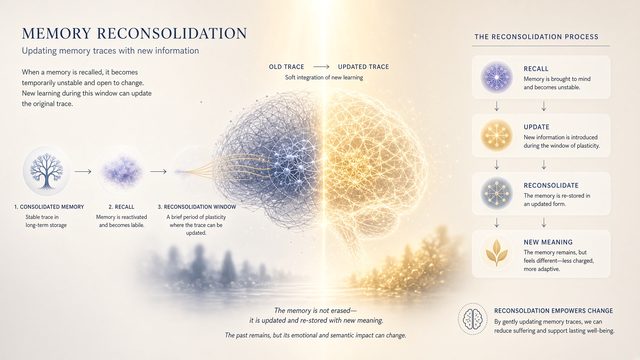
Episodic memory lets you mentally travel back to personal experiences. Learn how the hippocampus builds these memories, why they change, and what happens when they fail.
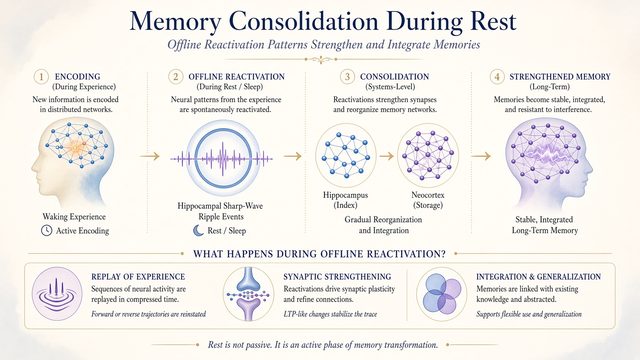
Semantic memory holds general knowledge such as word meanings and facts about the world. Learn how it is organized in the brain, how it differs from episodic memory, and how it changes with age.
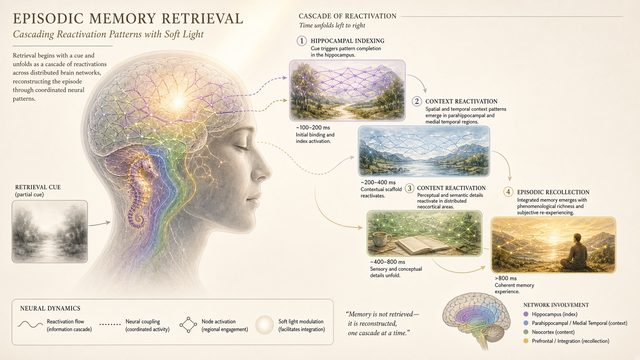
Procedural memory stores skills and habits, from riding a bike to typing. Learn how the basal ganglia and cerebellum learn them and why these memories last.
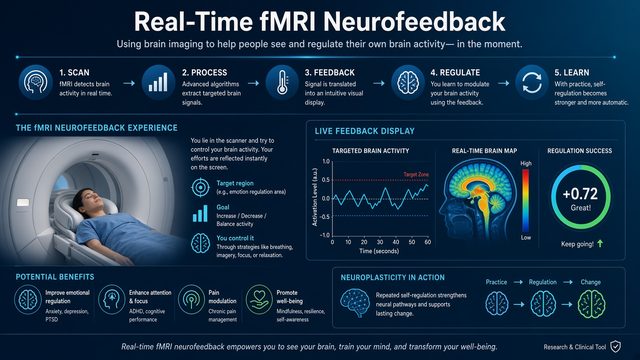
The forgetting curve shows how fast memories fade without review. Learn what Ebbinghaus found, what influences forgetting, and how to flatten the curve with spaced practice.
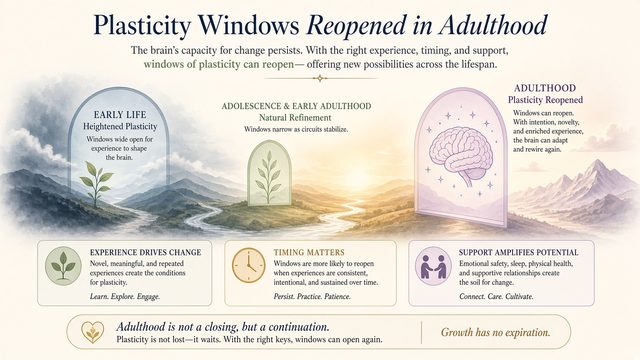
Spaced repetition uses growing time gaps between reviews to build durable memories. Learn the research behind it and how to plan your own schedule.
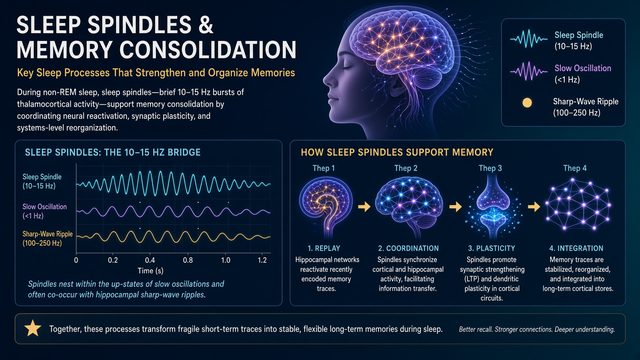
Sleep helps the brain stabilize new memories. Learn how slow-wave sleep, spindles and REM contribute to learning, and how to protect your sleep before and after study.

Stress hormones like cortisol and adrenaline can strengthen or impair memory depending on timing and intensity. Learn how they act on the hippocampus, amygdala and prefrontal cortex, and how to protect learning.
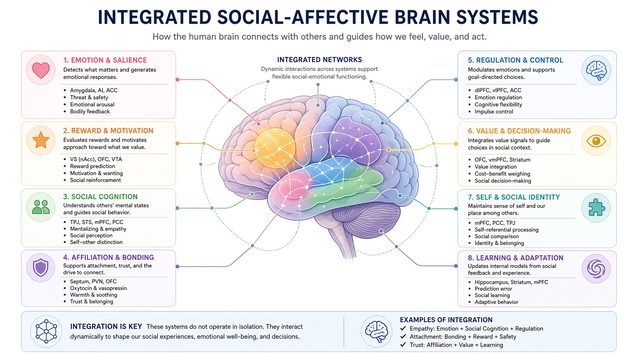
Emotional events are remembered more vividly than neutral ones thanks to the amygdala and stress hormones. Learn how emotion shapes memory, when it helps, and when it distorts.
Flashbulb memories feel vivid and certain, yet research shows they fade and change like other memories. Learn what studies of 9/11 and other events reveal about confidence versus accuracy.
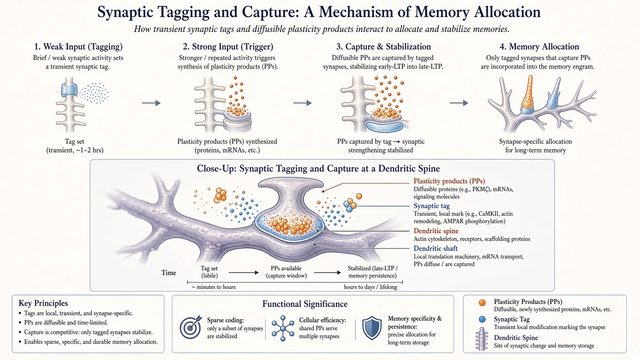
False memories are recollections of events that did not happen or happened differently. Learn how the brain reconstructs memory, what research on suggestion shows, and how to guard against errors.
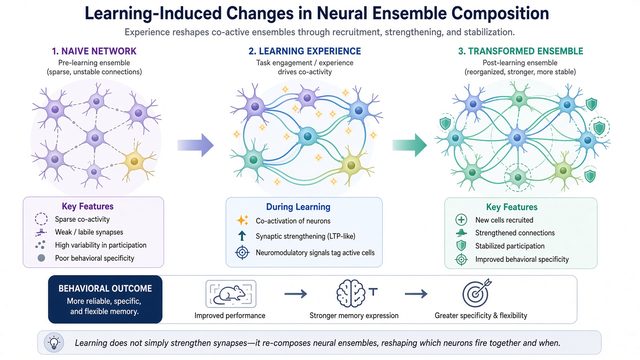
Practicing recall strengthens memory more than rereading. Learn about the testing effect, the research behind it, and how to use quizzes and flashcards well.
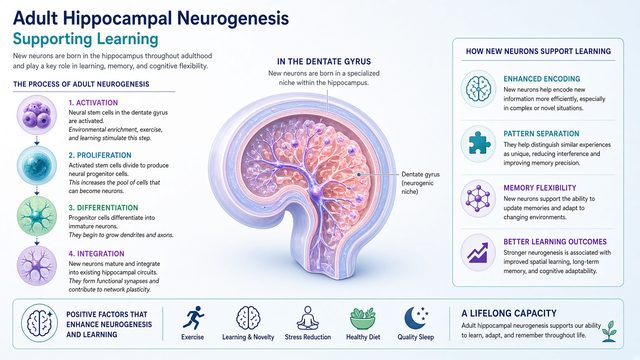
Interleaving mixes different topics or skills during practice instead of blocking them. Learn why it feels harder but improves long-term learning, and how to use it in study and skill training.
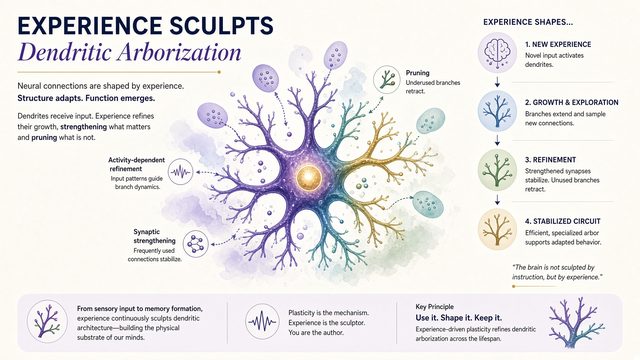
Language learning engages Broca's and Wernicke's areas, the hippocampus and more, and changes brain structure. Learn about critical periods, adult learning advantages and strategies backed by neuroscience.
Music is closely tied to memory through rhythm, melody and emotion. Learn why earworms happen, how music evokes autobiographical memories, and how music therapy is used for dementia.
Reading uses brain circuits evolved for vision and speech, including the visual word form area. Learn how the reading brain develops, what happens in dyslexia, and how to support readers.
The brain has an innate number sense supported by the parietal lobe, which formal math builds upon. Learn how numbers are represented, how dyscalculia and math anxiety affect learning, and how to build skills.
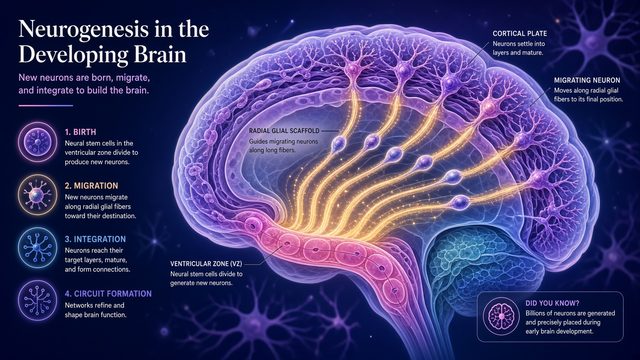
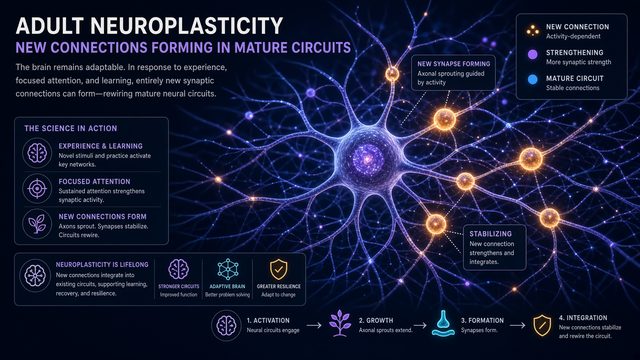
Children's brains develop rapidly, with synapse formation, pruning and myelination shaping learning. Learn about critical periods, sensitive windows, the role of experience, sleep, play and relationships.
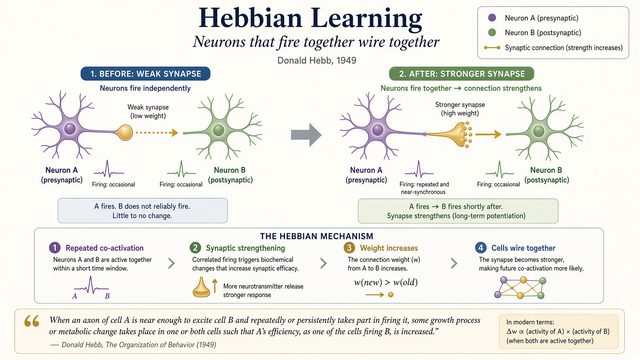
Does learning new things protect the brain as we age? Review what research says about education, mental activity, cognitive reserve and realistic expectations for lifelong learning.
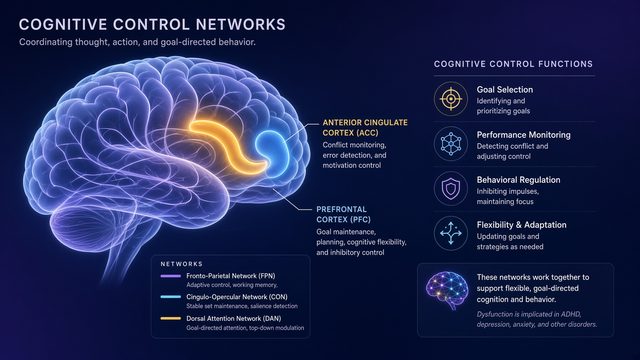
Cognitive reserve explains why some people with brain pathology show few symptoms. Learn what builds reserve, how it differs from brain reserve, and practical steps to strengthen it.
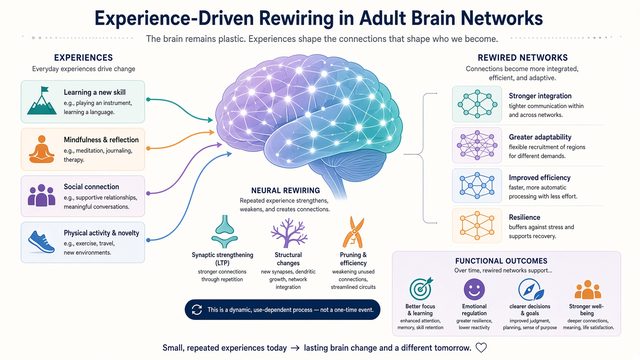
Experts show specialized brain changes shaped by years of practice, from London taxi drivers to musicians. Learn what neuroscience reveals about expertise, chunking and pattern recognition.
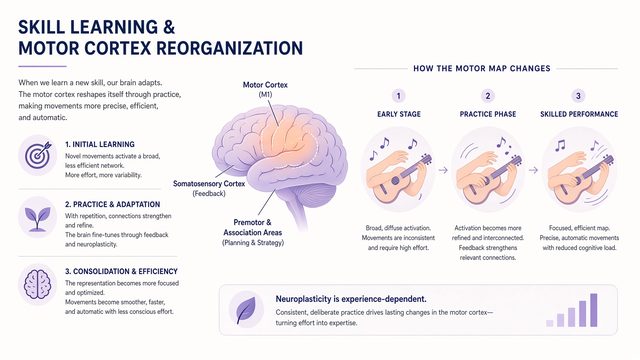
Deliberate practice means focused, feedback-driven effort at the edge of ability. Learn what distinguishes it from mere repetition, how it changes the brain, and how to design effective practice.
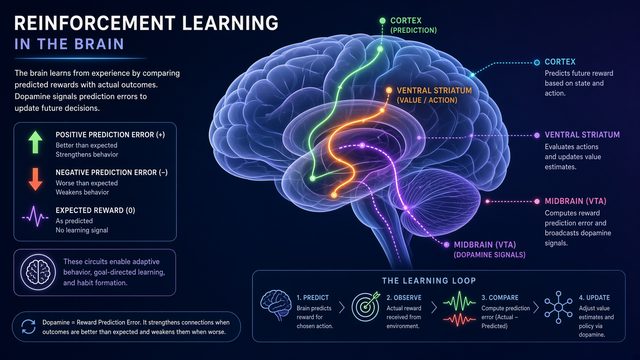
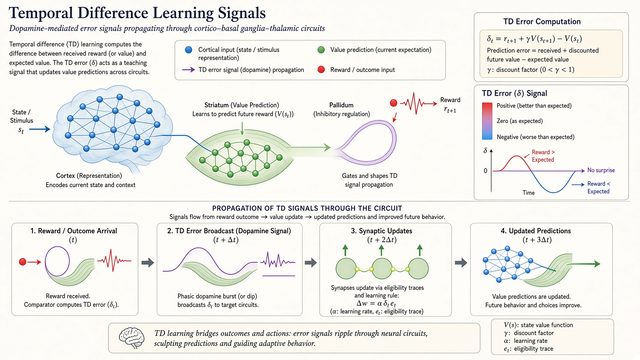
The brain detects errors through the anterior cingulate and dopamine systems, then adjusts behavior. Learn how error signals work, why mindset matters, and how to learn from mistakes without shame.
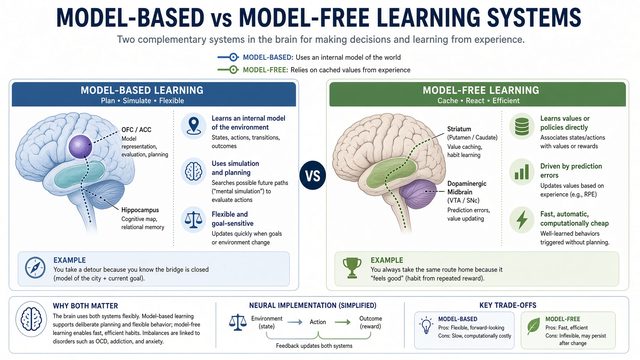
Curiosity activates the brain's reward circuits and boosts memory for what we learn. Learn how curiosity works in the brain, what drives it and how to cultivate it in yourself and others.
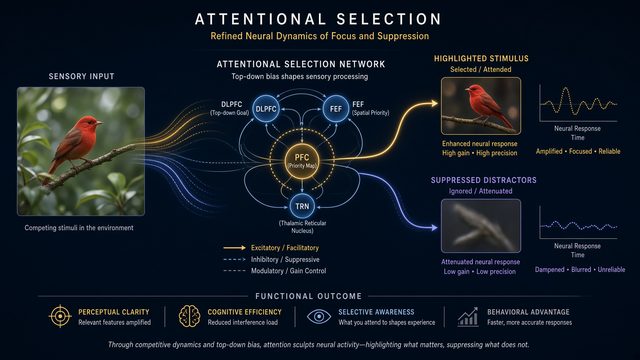
Attention determines what gets encoded into memory. Learn how divided attention impairs learning, how attention networks work, and practical ways to improve focus for better recall.
Sleep spindles are bursts of brain activity during non-REM sleep that help consolidate memories. Learn how they work, what they predict about learning, and how to support healthy sleep.
Short naps improve alertness and memory consolidation. Learn what the research shows about nap length, timing, sleep stages and how to nap effectively without grogginess.
REM sleep helps process emotional memories and integrate new knowledge. Learn what research shows about REM, dreaming, creativity and memory, and how to protect this stage of sleep.
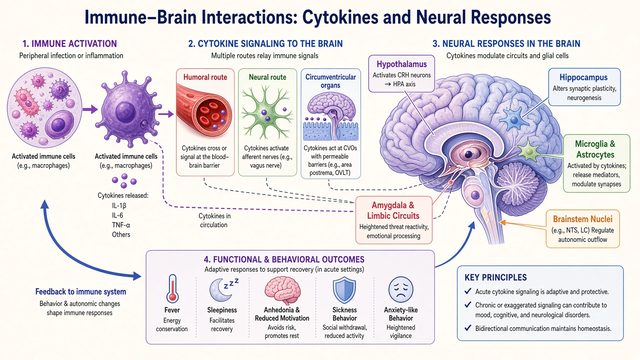
Forgetting is not just a failure of memory. It helps the brain prioritize, generalize and stay flexible. Learn the mechanisms of forgetting, including active forgetting, and when forgetting becomes a problem.
Interference is a major cause of forgetting, with proactive and retroactive forms. Learn how similar memories compete, what the brain does to separate them, and how to study to reduce interference.
Mnemonic techniques like acronyms, rhymes, images and loci use the brain's strengths in imagery, spatial memory and association. Learn how they work, the evidence behind them and how to use them.
The method of loci, or memory palace, places information in imagined locations. Learn its ancient origins, how it uses spatial memory in the hippocampus, how to build a palace and what research shows.
Chunking groups information into meaningful units, expanding the capacity of working memory. Learn the research behind the magical number seven, how experts chunk, and practical ways to use it.
Face recognition relies on specialized brain regions, including the fusiform face area. Learn how the brain processes faces, what prosopagnosia reveals, and why we recognize some faces better than others.
Changing habits means weakening old cue-response links and building new ones. Learn what neuroscience says about why change is hard, how to use planning, environment and rewards, and when to get help.
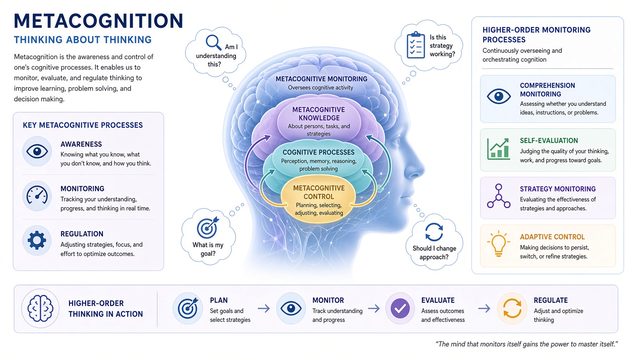
Metacognition is awareness and regulation of your own thinking. Learn how the prefrontal cortex supports it, why people misjudge what they know, and how to use it to learn better.
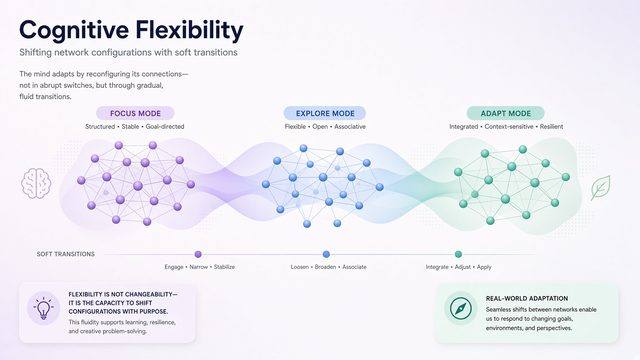
Cognitive flexibility is the ability to adapt thinking and switch between tasks or perspectives. Learn how the prefrontal cortex supports it, what impairs it, and which activities may help.
Sustained attention, or vigilance, depends on frontoparietal networks, arousal systems and dopamine. Learn why focus lapses, how it varies, and what research supports for improving concentration.
The brain does not truly multitask on demanding tasks. It rapidly switches, incurring costs. Learn what research shows about task switching, media multitasking and how to work more effectively.
The brain filters irrelevant information using attention, inhibition and sensory gating. Learn how the thalamus, prefrontal cortex and alpha rhythms suppress distraction, and what makes some people more distractible.
Flow is a state of absorbed, effortless focus during challenging activity. Learn what research shows about brain activity in flow, its triggers, benefits and limits, and how to cultivate it.
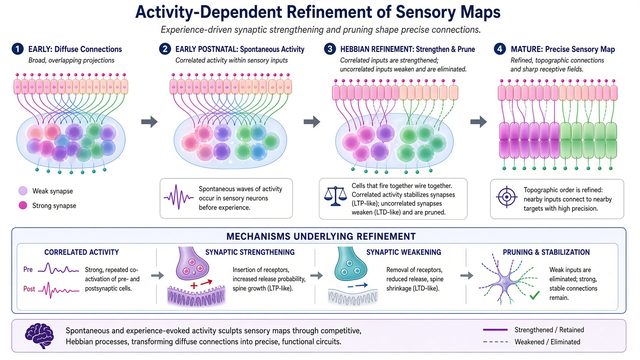
Do brain training apps make you smarter? Review the research on cognitive training, near and far transfer, major trials, and which activities have better evidence for protecting brain health.
Working memory training improves trained tasks but rarely transfers broadly. Learn what working memory is, what major reviews conclude, and which strategies offer more reliable benefits.
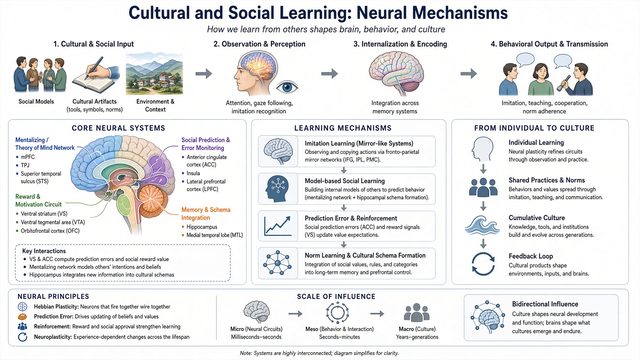
Diet affects brain energy, neurotransmitters and inflammation. Learn what research shows about omega-3s, B vitamins, iron, glucose, Mediterranean and MIND diets, and supplements for memory.
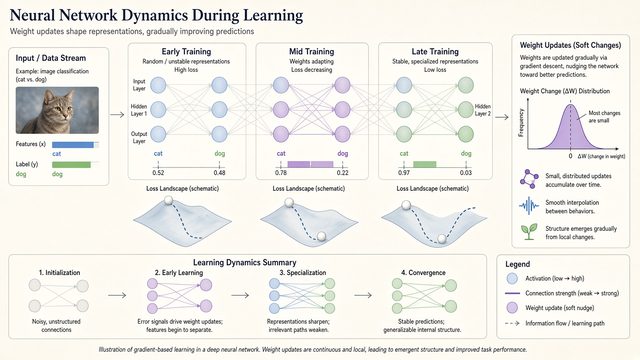
Aerobic exercise increases blood flow, BDNF and hippocampal plasticity, improving learning and memory. Learn what studies show, how much exercise helps and how to use it around study.
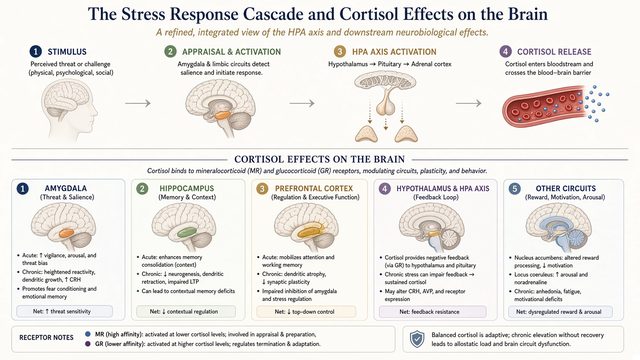
Moderate stress can sharpen learning while excessive stress impairs it. Learn the Yerkes-Dodson relationship, the role of cortisol and noradrenaline, and strategies for staying in an optimal zone.
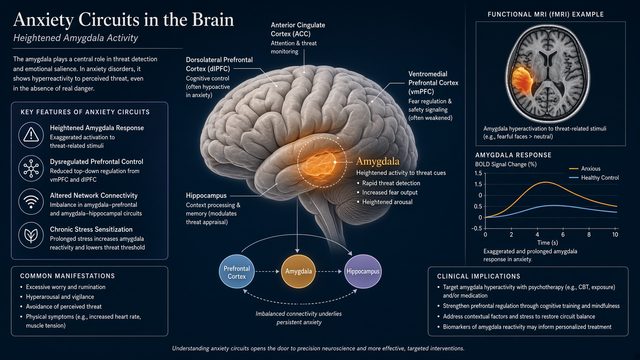
Test anxiety disrupts working memory and retrieval through worry and physiological arousal. Learn the brain mechanisms, how it differs from poor preparation, and evidence-based ways to reduce it.
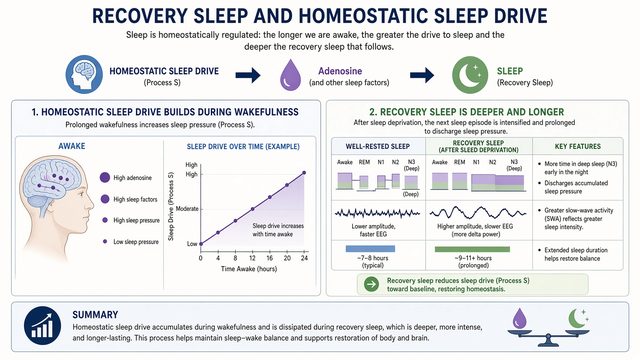
Memory can be affected by brain injury, psychological trauma or illness. Learn how plasticity supports recovery, what rehabilitation involves, and strategies used to compensate for memory loss.
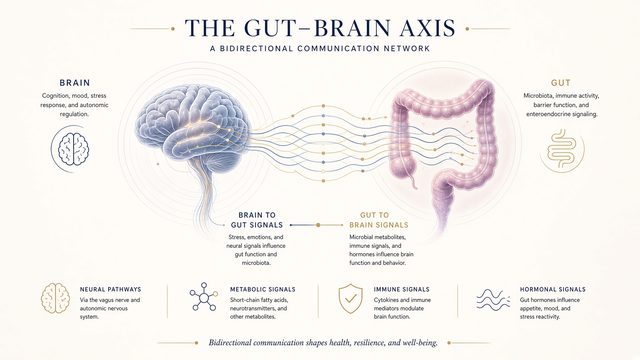
World memory champions memorize thousands of digits using learned strategies, not special brains. Learn what neuroscience shows about their methods, brain connectivity and lessons for everyday learners.
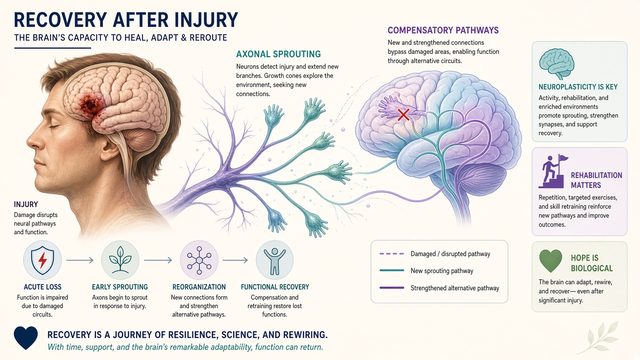
After stroke or brain injury, relearning skills relies on plasticity driven by practice. Learn the principles of neurorehabilitation, including intensity, specificity and timing, and what the research supports.
Motor learning involves the cortex, basal ganglia and cerebellum working through stages from conscious effort to automatic control. Learn how practice, feedback and sleep shape skills.
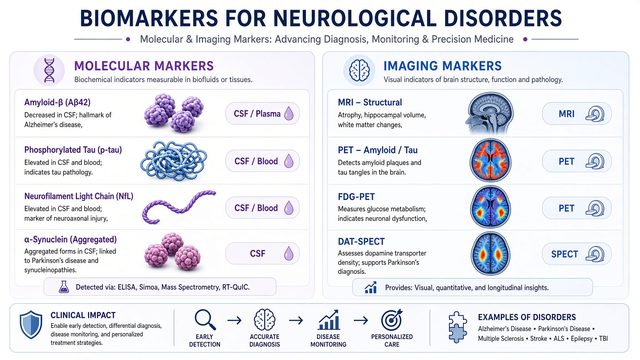
Reading aloud and silently engage overlapping but distinct brain systems. Learn what research shows about the production effect, comprehension, memory and when each approach is most useful.
Biofeedback can help students notice and calm the body's stress response before exams. Learn how breathing, heart-rate and muscle feedback work and what the research suggests.

HRV biofeedback trains slow breathing to boost heart rhythm variability. Learn how it works, what research suggests about attention and memory, and how to practice it.
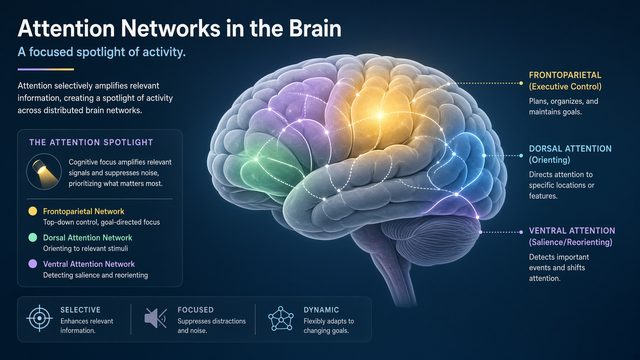
Neurofeedback trains brain rhythms to improve attention. Learn what randomized trials and meta-analyses say about ADHD and healthy focus, the limits of the evidence and what to ask providers.
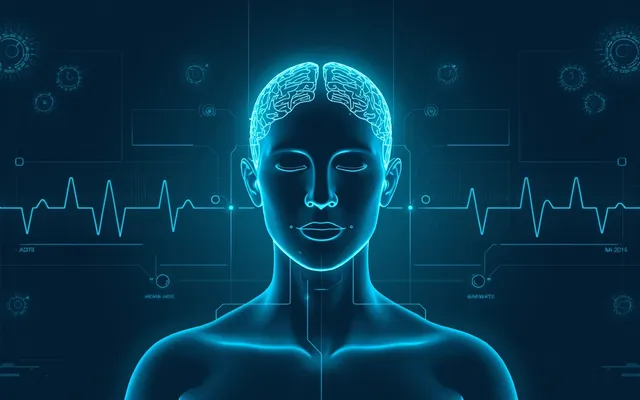
Biofeedback gives students real-time information about heart rate, breathing, muscle tension and brain activity to help regulate arousal. Learn practical techniques, evidence and how to start.
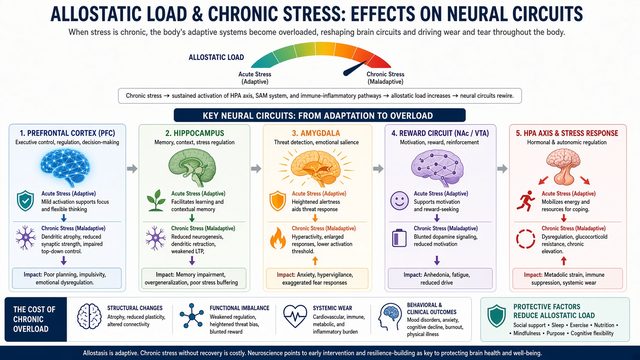
Stress impairs memory and memory problems increase stress, creating a cycle. Learn how biofeedback and relaxation training may help break it, what the evidence shows and how to start safely.
Peak performance biofeedback trains arousal regulation, breathing and focus to help learners perform under pressure. Learn evidence from sports and music, techniques, devices and realistic expectations.
More articles in this topic are being added. Meanwhile, see the neurology clinic directory.