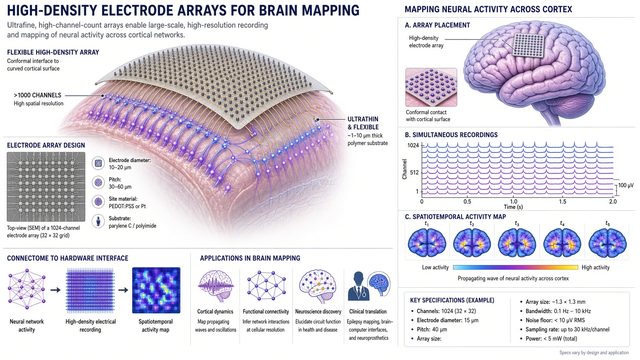
Biofeedback
Neurofeedback Basics: Reading the Brain's Electrical Signals
Neurofeedback uses real-time EEG to help people learn to change their brain activity. Learn how sessions work, what the research says, and how to choose a practitioner.
Biofeedback uses sensors to show you signals your body normally keeps out of view, such as heart rhythm, muscle tension, skin response and brain waves, so you can learn to influence them. These articles explain how it works, where the evidence is strong, and where it is still developing.
Neurofeedback uses real-time EEG to help people learn to change their brain activity. Learn how sessions work, what the research says, and how to choose a practitioner.
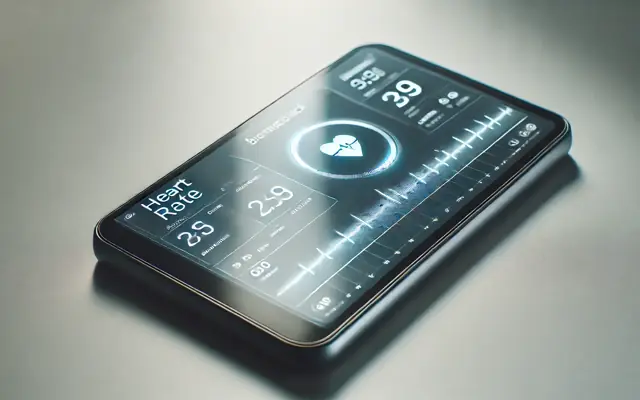
An EEG records the brain's electrical activity through scalp sensors. Learn what it can reveal about seizures, sleep and attention, what it cannot, and how neurofeedback uses it.
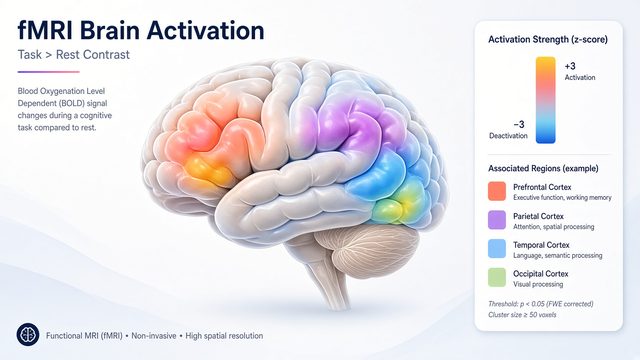
Quantitative EEG converts brainwave recordings into statistical maps. Learn how qEEG works, what it can and cannot show, its uses in research and clinics, and cautions about commercial claims.
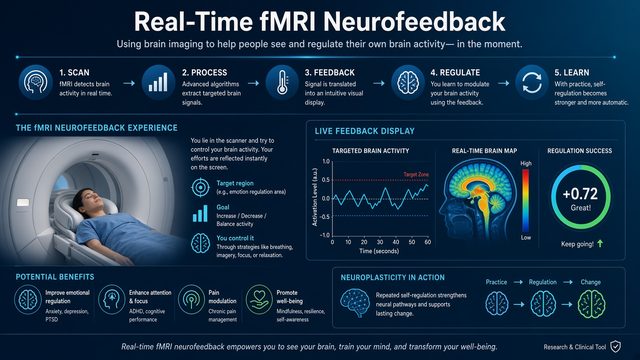
Neurofeedback uses real-time feedback of brain activity to train self-regulation. Learn how it may work through plasticity, what the research shows for ADHD and other conditions, and how to evaluate claims.
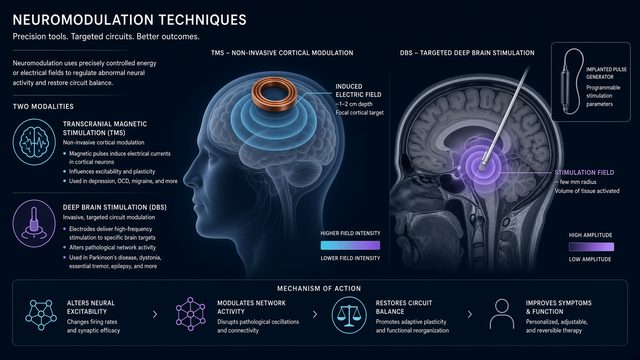
Neurofeedback began with animal and human laboratory studies of brain rhythms and operant conditioning. Learn its history, from Sterman's cats to modern trials, and where the evidence stands.
Delta, theta, alpha, beta and gamma bands are targeted in neurofeedback. Learn what each band is associated with, how protocols use them and why simple labels can mislead.
Biofeedback can help students notice and calm the body's stress response before exams. Learn how breathing, heart-rate and muscle feedback work and what the research suggests.

HRV biofeedback trains slow breathing to boost heart rhythm variability. Learn how it works, what research suggests about attention and memory, and how to practice it.
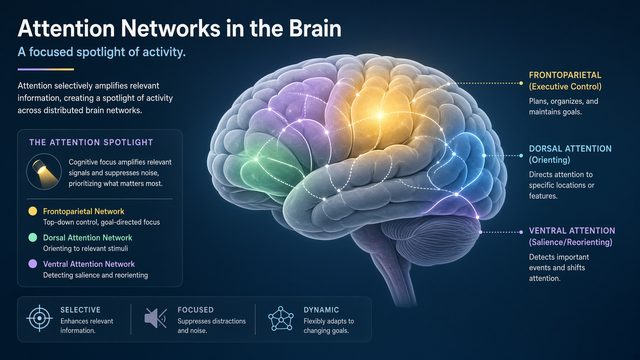
Neurofeedback trains brain rhythms to improve attention. Learn what randomized trials and meta-analyses say about ADHD and healthy focus, the limits of the evidence and what to ask providers.
Biofeedback gives students real-time information about heart rate, breathing, muscle tension and brain activity to help regulate arousal. Learn practical techniques, evidence and how to start.
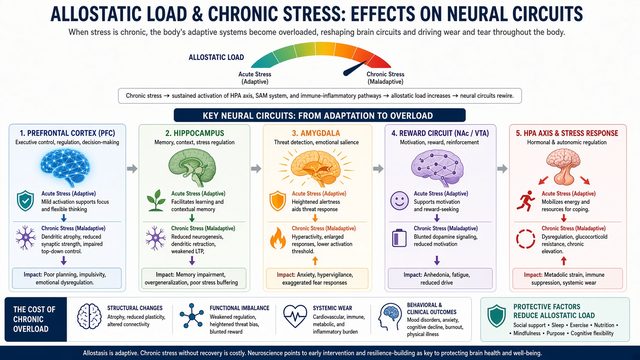
Stress impairs memory and memory problems increase stress, creating a cycle. Learn how biofeedback and relaxation training may help break it, what the evidence shows and how to start safely.
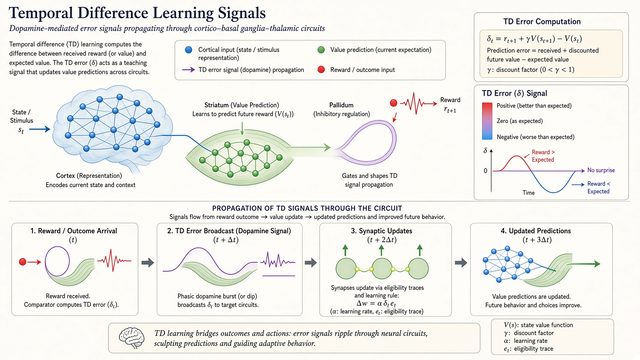
Peak performance biofeedback trains arousal regulation, breathing and focus to help learners perform under pressure. Learn evidence from sports and music, techniques, devices and realistic expectations.
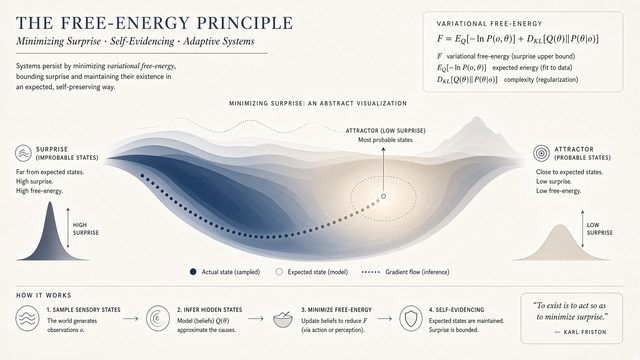
Biofeedback teaches people to control stress responses such as heart rate, breathing and muscle tension. See how it works, what the evidence shows, and how it fits with other care.
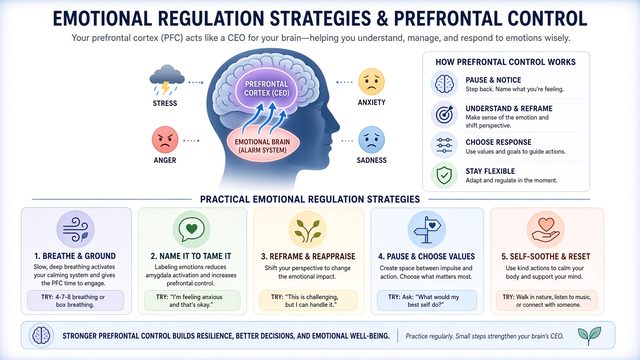
HRV biofeedback uses paced breathing to calm the body and steady emotion. Learn how it supports regulation, what studies show for anxiety and mood, and how to begin.

Neurofeedback for depression includes EEG alpha asymmetry training and fMRI approaches. Learn what trials show, the limits of the evidence and how it compares with established treatments.
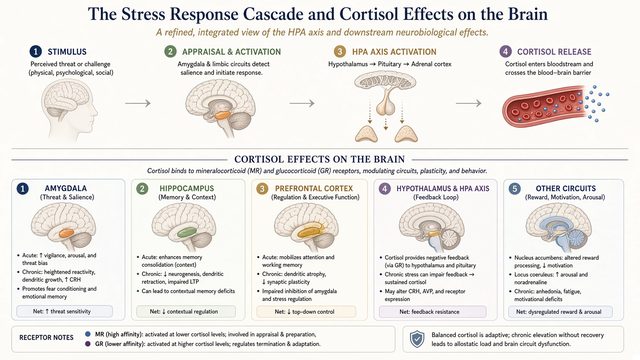
Biofeedback and HRV training may reduce arousal and improve regulation in PTSD. Learn what studies show, how sessions work, safety considerations and how it fits with trauma-focused therapy.
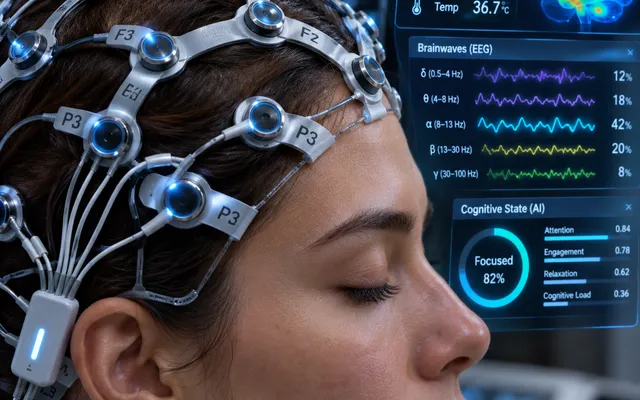
Mindfulness and biofeedback are complementary: one trains attention and acceptance, the other gives real-time physiological feedback. Learn how to combine them, what studies show and example practices.
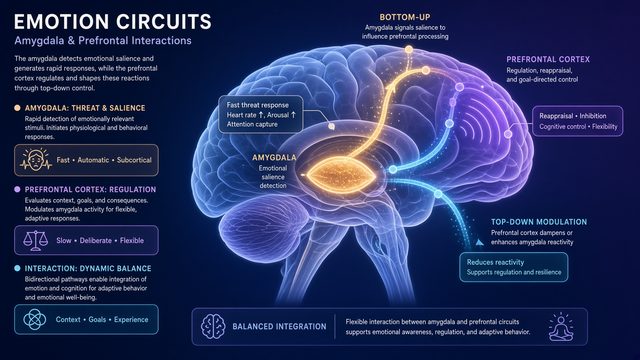
Biofeedback teaches people to notice and lower physiological arousal before anger escalates. Learn how HRV, EMG and breathing training support anger control, what evidence exists and practical steps.
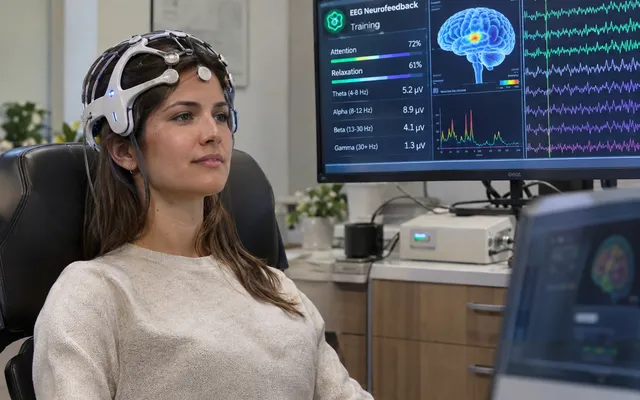
Biofeedback can help reduce the physical tension and arousal that keep people awake. Learn which methods are used, what research suggests, and how they fit with CBT for insomnia.
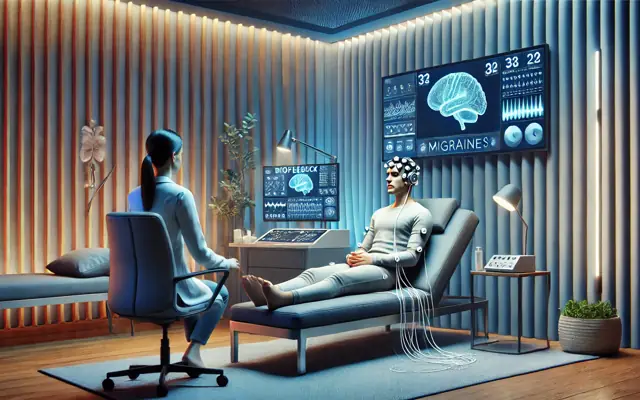
Heart rate variability reflects how well your body shifts into rest at night. Learn how HRV relates to sleep, what wearables measure, and how HRV biofeedback may help.
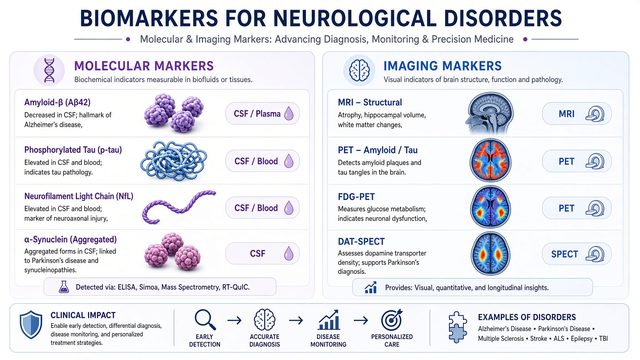
Neurofeedback for insomnia trains SMR and other EEG rhythms. Learn what studies show, how it compares with CBT-I, the quality of the evidence and what to ask providers.
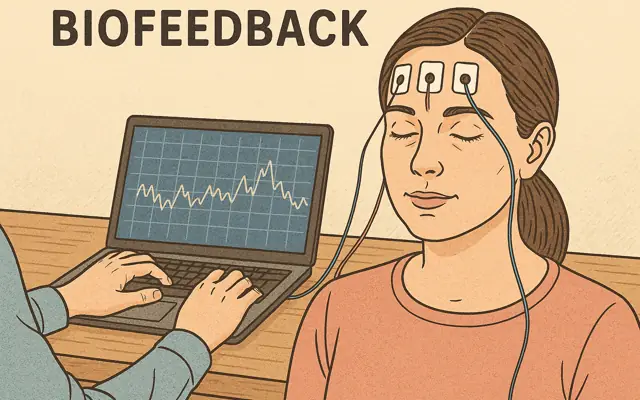
Biofeedback can help travelers relax, sleep on arrival and monitor adjustment. Learn how HRV, breathing and temperature feedback support jet lag management alongside light and timing strategies.
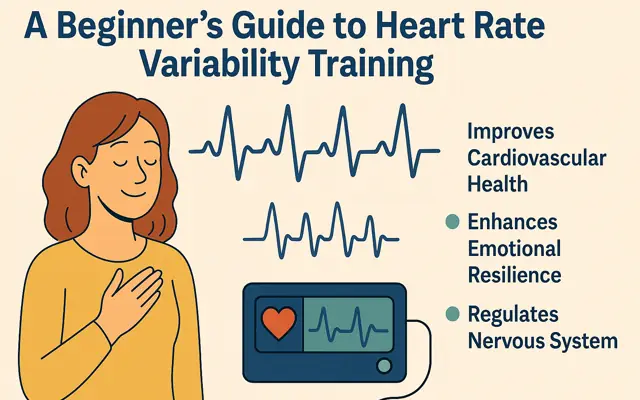
Relaxation training such as progressive muscle relaxation, breathing and imagery lowers arousal and improves sleep. Learn how to combine it with sleep hygiene basics for lasting results.

Biofeedback cannot reset the body clock, but it can support circadian health by improving sleep, tracking rhythms and reducing stress. Learn practical uses alongside light, timing and sleep therapy.
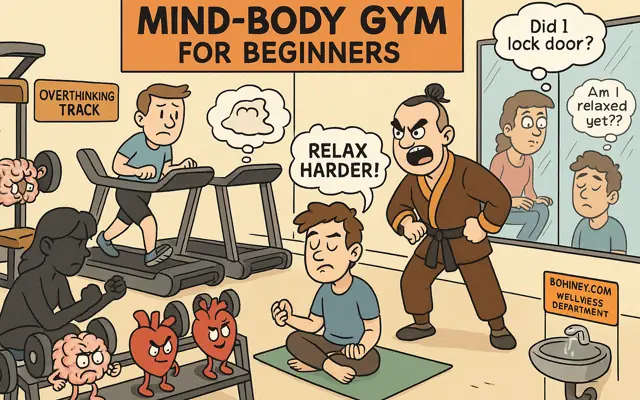
Biofeedback can reveal how stress, eating and body signals interact. Learn how it may support mindful eating, stress-related overeating and habit change alongside good nutrition.
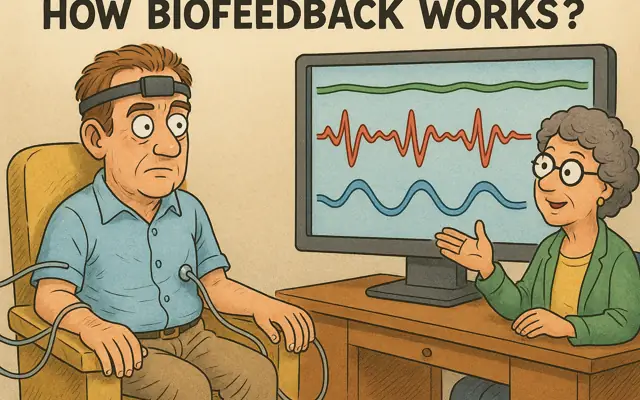
Heart-rate monitors, HRV and EMG feedback can guide training, recovery and rehabilitation. See how biofeedback and exercise work together, and where the limits are.
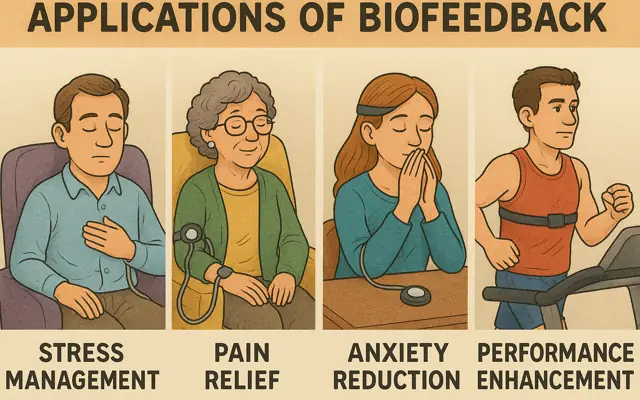
Heart rate variability biofeedback trains slow breathing to build resilience and calm. Learn how HRV biofeedback works, what studies show for stress, sleep and habits, and how to start safely.
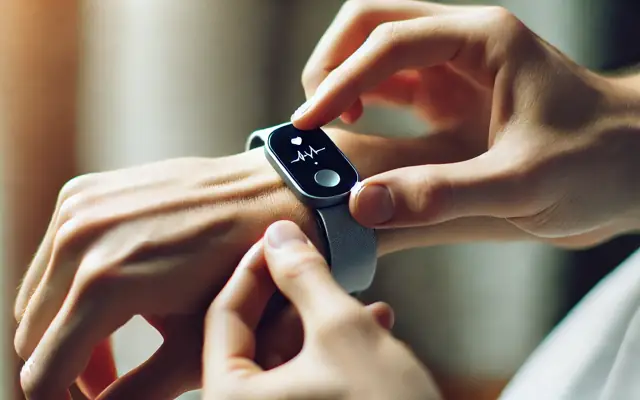
Biofeedback can support healthy habits by making stress, heart rate and sleep visible. Learn how to pair sensors with goals, avoid overtracking and combine feedback with proven habit strategies.
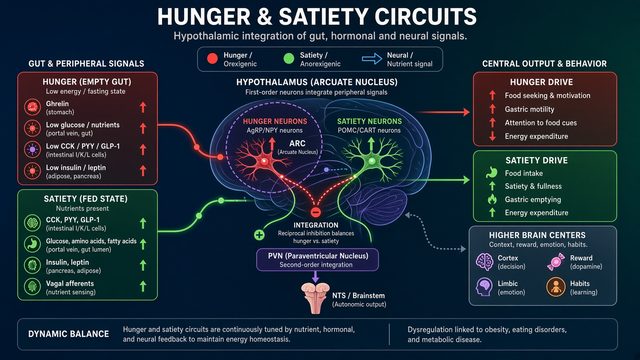
Can biofeedback help with stress eating? Learn how heart rate variability training, mindfulness and awareness of body signals may reduce emotional eating and cravings, and what the evidence says.

Dehydration can raise perceived stress and heart rate, while stress changes fluid balance. Learn how hydration affects HRV and arousal, what biofeedback can show and how to stay balanced.

Can biofeedback help with memory problems or mild cognitive impairment? Learn what current evidence suggests, which approaches are being studied, and how to avoid overpromises.
Neurofeedback trains brain activity patterns, and researchers are testing it for memory, attention and mood in older adults. Learn how it works, what trials show and how to evaluate providers.
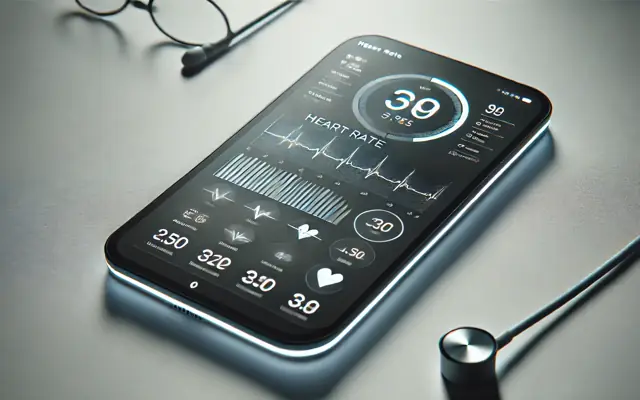
Caring for a loved one with dementia or illness is demanding. Learn how biofeedback and related skills can help caregivers manage stress, and where to find broader support.
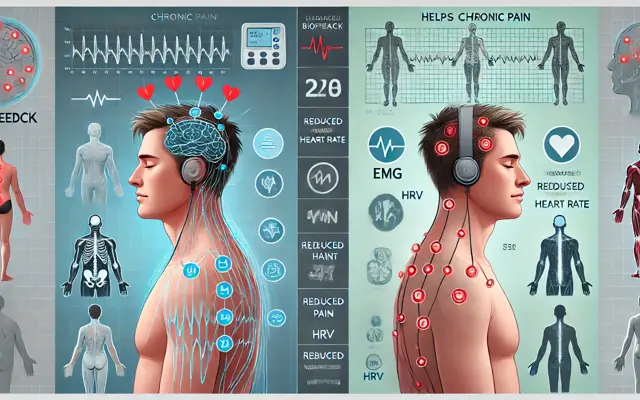
Higher heart rate variability reflects flexible autonomic control and is linked to better health outcomes. Learn what HRV means, how it relates to aging and mortality, and how to improve it.
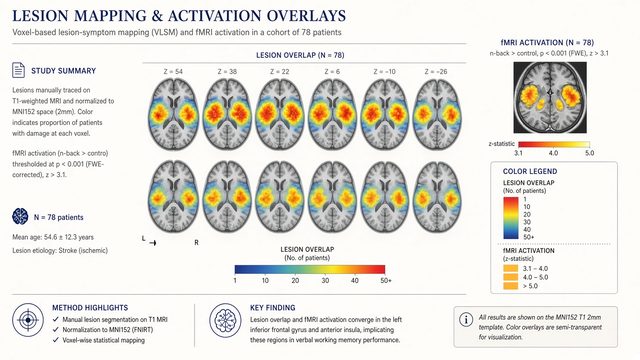
EMG, motion and brain-based biofeedback can help retrain movement after stroke. Learn how it works, what trials show for arms, legs, gait and swallowing, and how to access it.
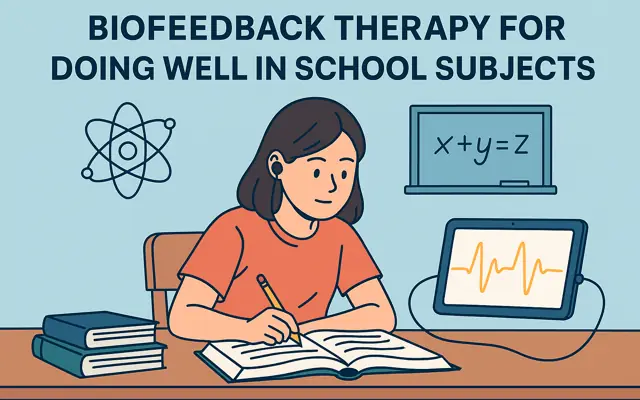
Neurofeedback and related brain training are being studied in dementia. Learn what small trials show, why evidence is limited, safety issues and how to approach claims responsibly.
Biofeedback devices turn body signals into live feedback using sensors for heart rhythm, muscle, breathing, skin and brain activity. See what each sensor measures and how to choose one.
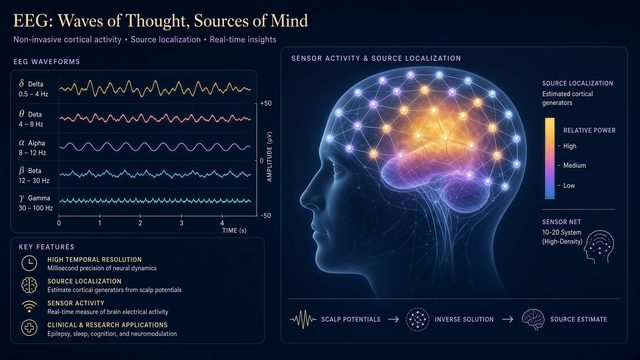
Home biofeedback devices measure heart rate, breathing, skin response and brain waves. Learn how the sensors work, which are reliable, and how to choose and use them wisely.
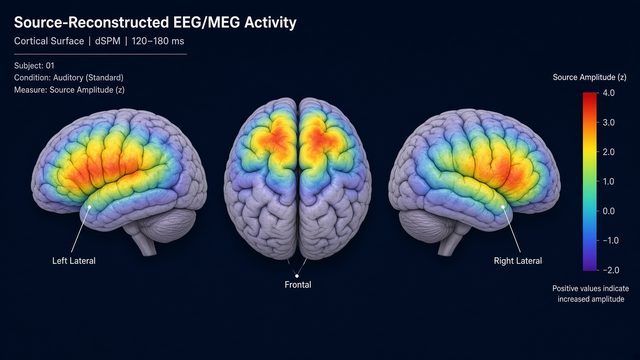
Neurofeedback uses EEG hardware and software to show brain activity in real time. Learn the components, differences between clinical and consumer systems, and what to ask before buying or using one.
Apps and wearables promise stress, sleep and focus training through biofeedback. Learn what they measure, what evidence exists, accuracy limits and how to use them wisely.
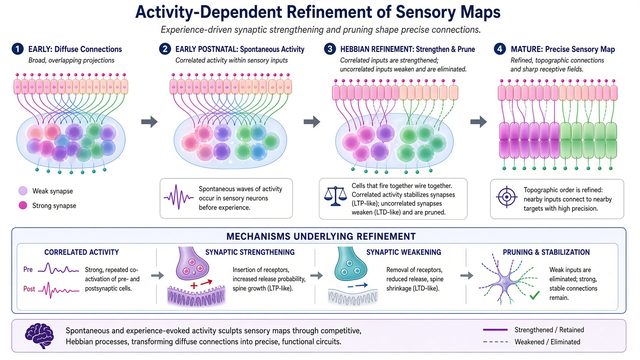
Biofeedback relies on sensors that measure muscle, heart, skin, breathing, temperature and brain signals. Learn how each sensor works, what it shows, and why accurate placement matters.
Biofeedback and brain-computer interfaces both read signals and respond in real time. Learn how they differ, where they overlap, and how BCIs are used for rehabilitation, communication and control.
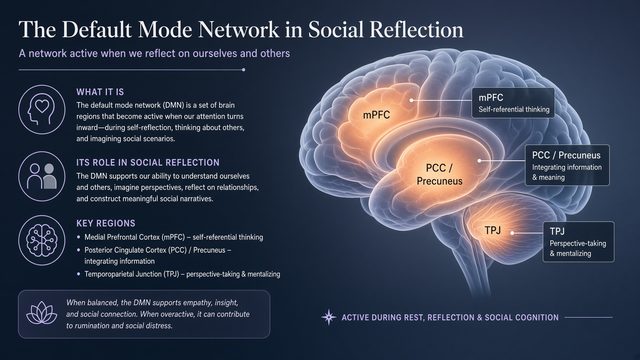
Social anxiety often shows up as blushing, trembling and a racing heart. Learn how biofeedback can help people notice and calm these signals alongside CBT and exposure.
Group biofeedback combines training in physiological self-regulation with peer support. Learn how it works, where it has been used and what evidence suggests.
Schools are using biofeedback for stress, attention and test anxiety. Learn how heart rate variability training and games work for students, what evidence exists and how to set up programs safely.
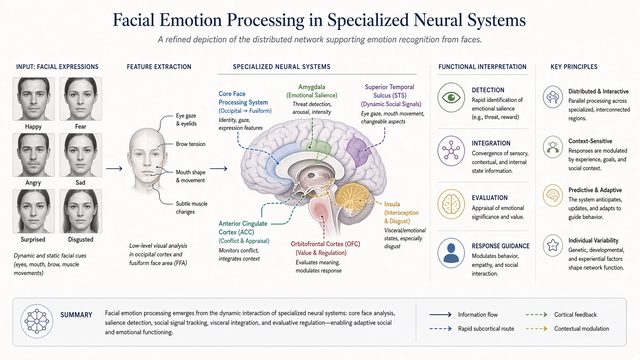
Families can use simple biofeedback to learn calming skills together. Learn how parents and children can use breathing, heart rate and temperature feedback, with tips, cautions and when to seek help.
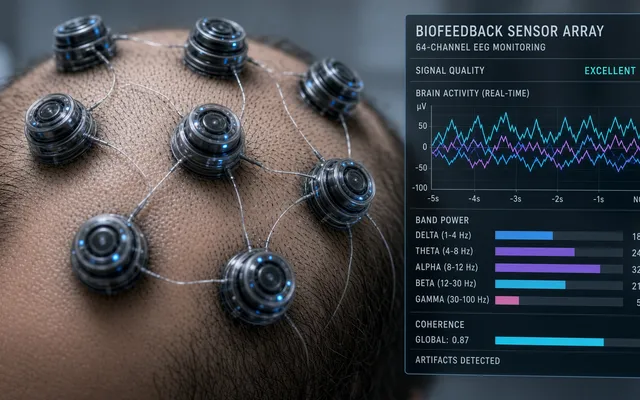
Employers use biofeedback and wearables for stress management. Learn what evidence shows for workplace programs, benefits, privacy risks, and how to build healthy, voluntary and effective programs.
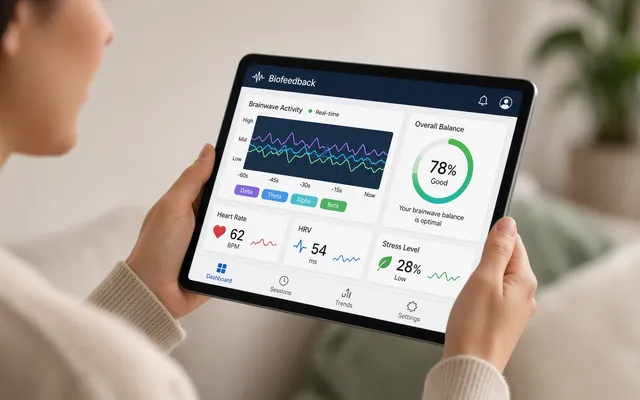
Community clinics, libraries and public health programs are using biofeedback to expand access to stress and pain care. Learn about models, evidence, equity considerations and how to start or find programs.
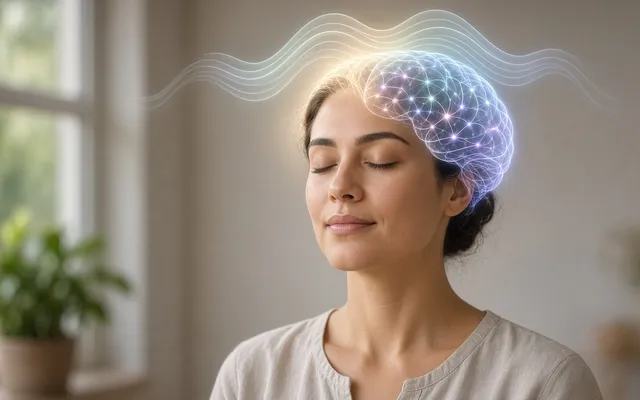
Biofeedback can help people with chronic pain reduce muscle tension and stress reactivity. Learn which techniques are used, what evidence shows and how to find a clinician.
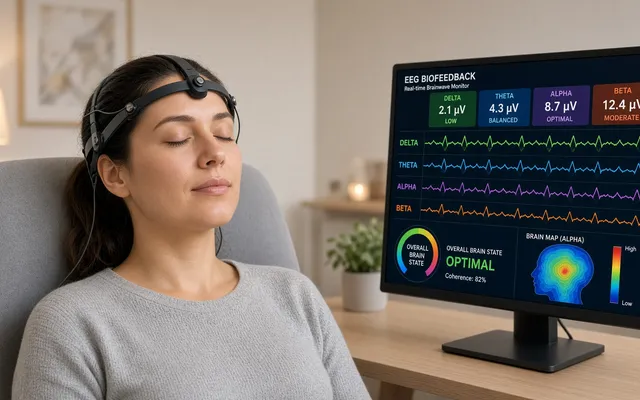
Thermal, muscle and heart-rate biofeedback can reduce migraine and tension headache frequency. Learn how it works, what guidelines say and how to start.
Neurofeedback trains brain activity patterns, and is promoted for ADHD. Learn how it works, what randomized trials and meta-analyses show, the role of placebo, safety, cost and how it compares with other treatments.

Biofeedback and related training may help some people with epilepsy manage stress and seizure triggers. Learn what neurofeedback, skin conductance and heart rate training studies show, limits and safe use alongside medical care.

Biofeedback helps stroke survivors relearn movement, balance and swallowing by providing real-time information. Learn about EMG, force plate, neurofeedback and brain-computer approaches, evidence and how to use them.
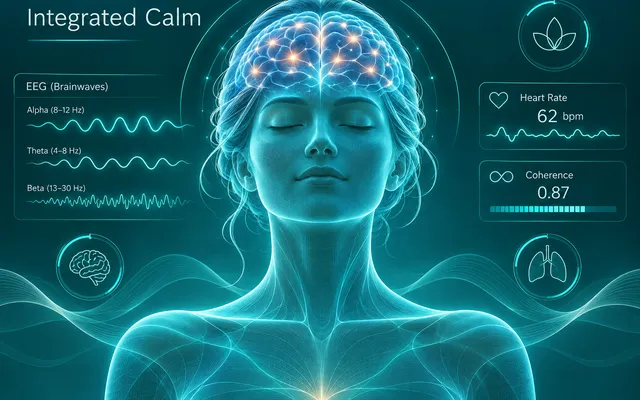
Pelvic floor biofeedback retrains muscles for incontinence, constipation and pelvic pain. Learn how it works, evidence, who benefits, what sessions involve, and its link to brain-muscle control.
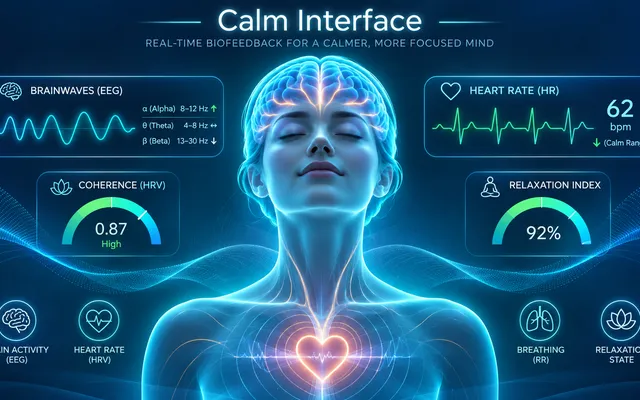
Wearables, AI, virtual reality and closed-loop neurotechnology are shaping the next generation of biofeedback. Learn what's emerging and what still needs proof.
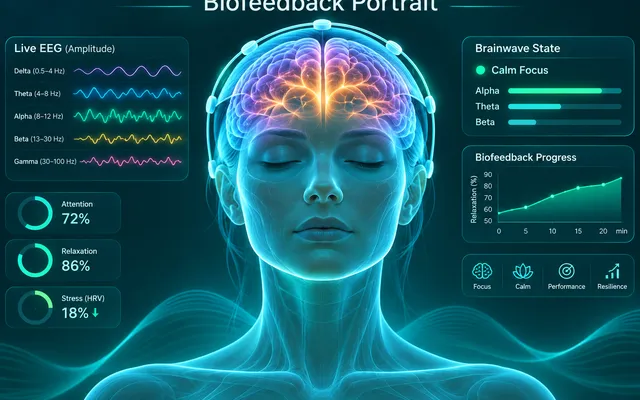
Biofeedback shows promise for many conditions, but research gaps remain. Explore limits in trial quality, sham controls, standardization, long-term outcomes and mechanisms, and where the field is heading.
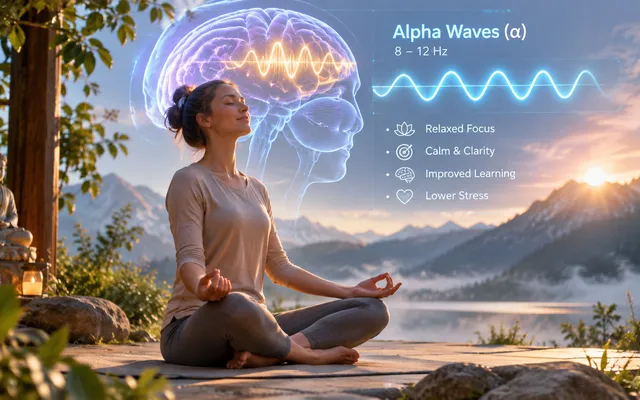
Neurofeedback raises ethical questions about evidence, marketing claims, consent, cost and data privacy. Learn what to ask a provider and how to protect yourself.
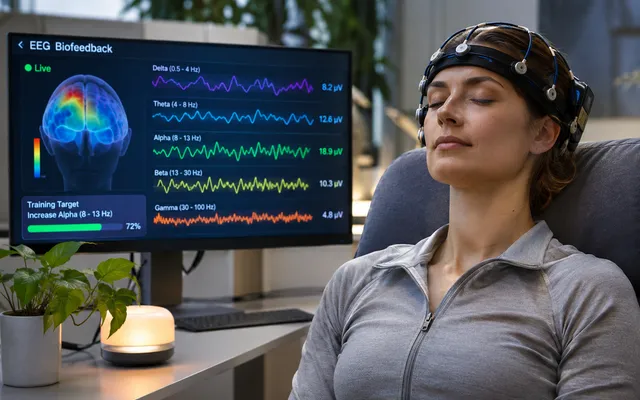
Who can get biofeedback? Cost, insurance, geography and cultural fit limit access. Learn about barriers and solutions, including telehealth, home devices, community programs and inclusive research.
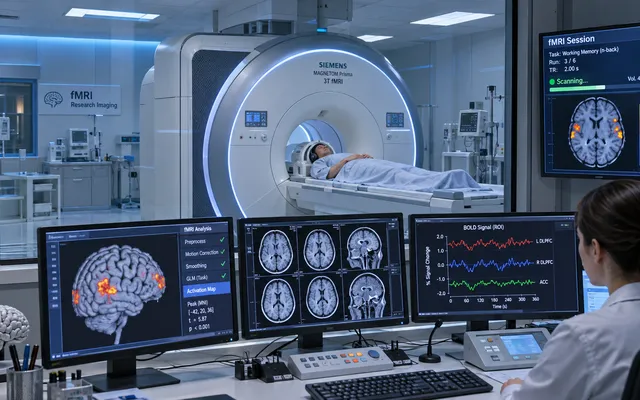
Self-regulation links emotions, attention, behavior and the body. Learn how the brain manages stress and impulses, why biofeedback helps, and how breathing, sleep, exercise and mindfulness build regulation skills.
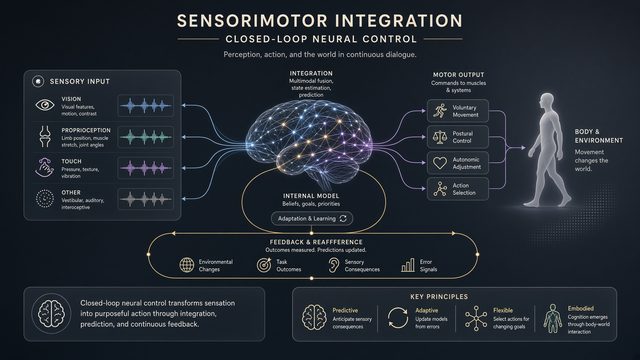
Biofeedback sits between conventional and complementary care. Learn how it fits into integrative medicine, its evidence for common conditions, how it combines with other therapies, and how to choose safely.
The library is growing: each topic section on this site includes biofeedback articles. Looking for a certified practitioner? See the resources page.